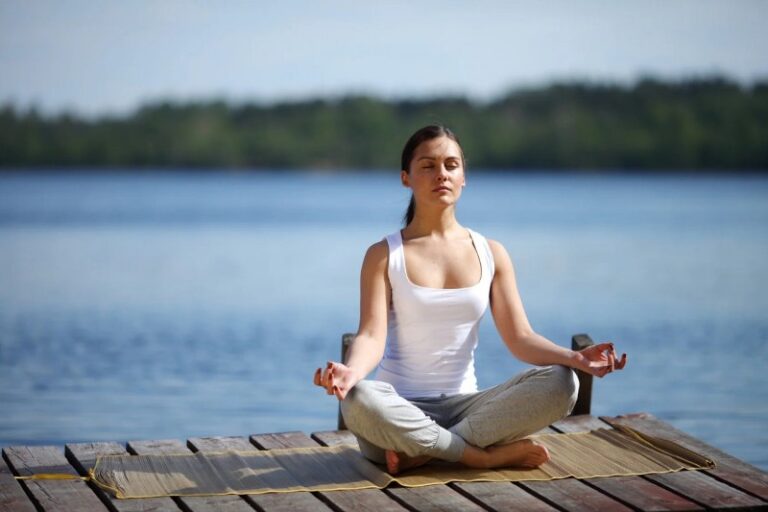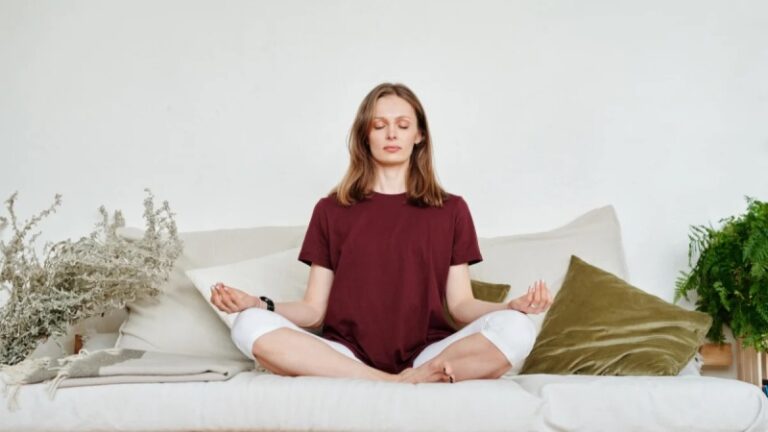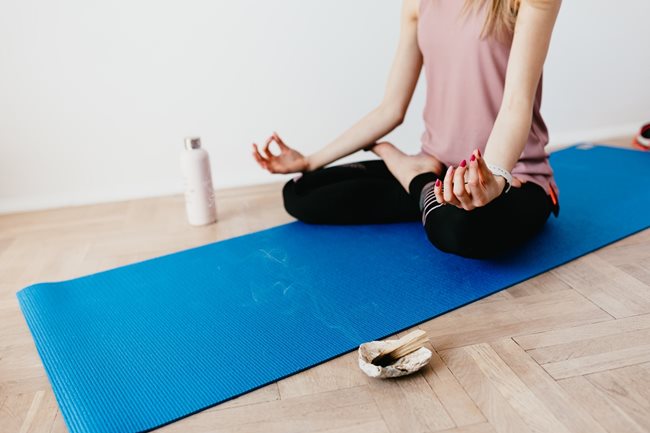
Almost every resident of a metropolis lives for a long time under conditions of chronic stress. At work, on the way home, and at home, we are constantly faced with nervous situations that spoil our mood and leave an unpleasant aftertaste in our souls. Meditation classes are designed to stop the flow of negative thoughts and get rid of stress and tension.
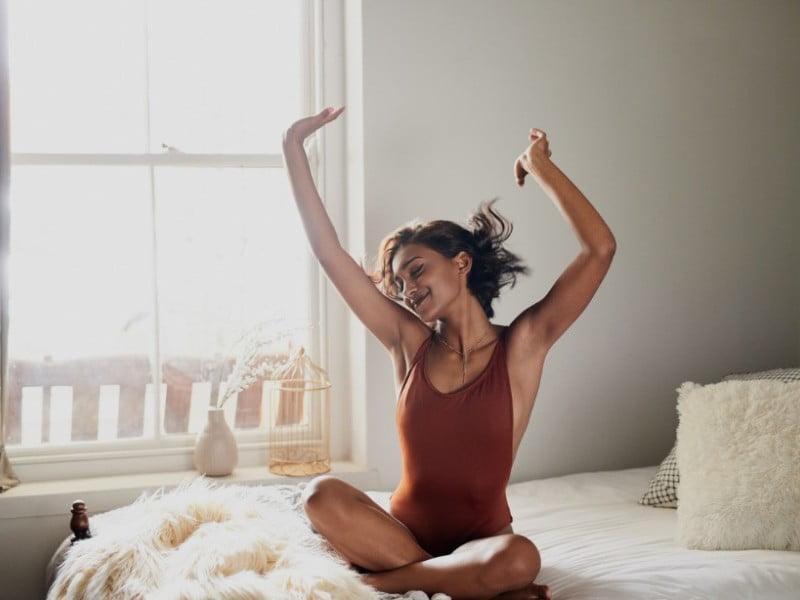
How to meditate at home: preparation for beginners
Many people believe that meditation is for some yogis who practice spiritual practices. However, this moral direction of Eastern culture has now turned into a practical activity available to everyone. It is quite possible to devote hours at home to meditation.
What is meditation?
Meditation is a special practice that allows a person to escape from anxious thoughts that prevent us from calming down, overloading our brain, taking away energy, and leading to stress and depression.
The purpose of meditation is to calm the mind, step away from thoughts, and observe what is happening with detachment.
What are the benefits of meditation?
Meditation will help you improve your health. This is a powerful way to bring the body’s energy into balance, especially for the nervous system. After all, the work of all internal organs depends on it. Meditation improves brain function by influencing its neuroplasticity, it enhances the body’s protective functions and improves immunity.
Contraindications for meditation
Meditation has become a secular practice, but there are contraindications to intensive long-term sessions:
- Mental illness, including if the patient is in remission.
- Mental disorders in close relatives.
- Taking depressants, drugs, or any psychotropic substances.
- Acute form of depression, the appearance of anxiety, panic, and phobias.
How to learn to meditate correctly
There are many meditation techniques and the choice depends on personal preference. You can meditate while sitting, lying down, or even while moving. The main rule is that nothing should interfere with breathing. The spine is straight, the chest is free, and the body is relaxed. You need to breathe at a normal pace, without changing your usual rhythm.
Meditation at home: where to start
A beginner can sit on a chair in a comfortable position, lean on the back, and close his eyes. Then you just need to monitor your breathing and “let go of your thoughts.” The latter is not so easy to do, since our brain is in constant work, and it is very difficult to stop it. Don’t be upset or annoyed by this inability, you will gradually learn. You should not expect quick results from meditation.
How to choose a time to meditate
You can meditate in the morning, as soon as you wake up. You will be energized and start the day inspired. If you don’t like to get up early, or you are in a hurry in the morning, then you can set aside time before bed. Meditation will allow you to relax after a busy day. The time for studying depends on your preferences.
Is the lying pose suitable for meditation?
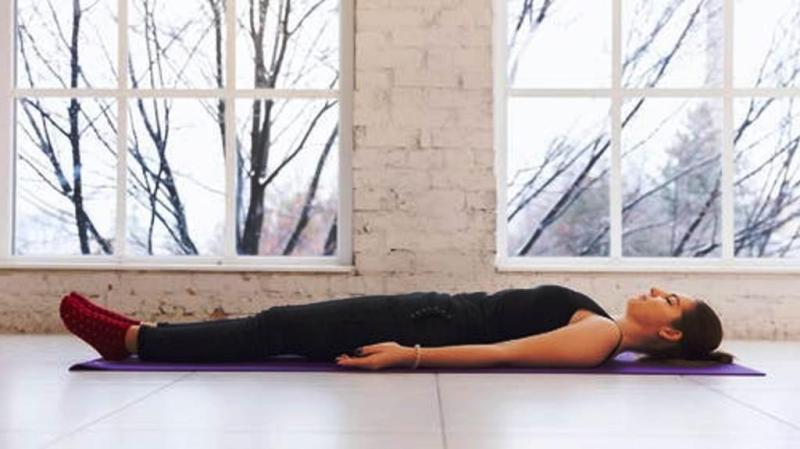
The main thing is to feel comfortable and relaxed during classes. A sitting position can cause discomfort, especially after a day of work. The lying pose is quite suitable for meditation, especially for beginners.
How should your hands lie during meditation?
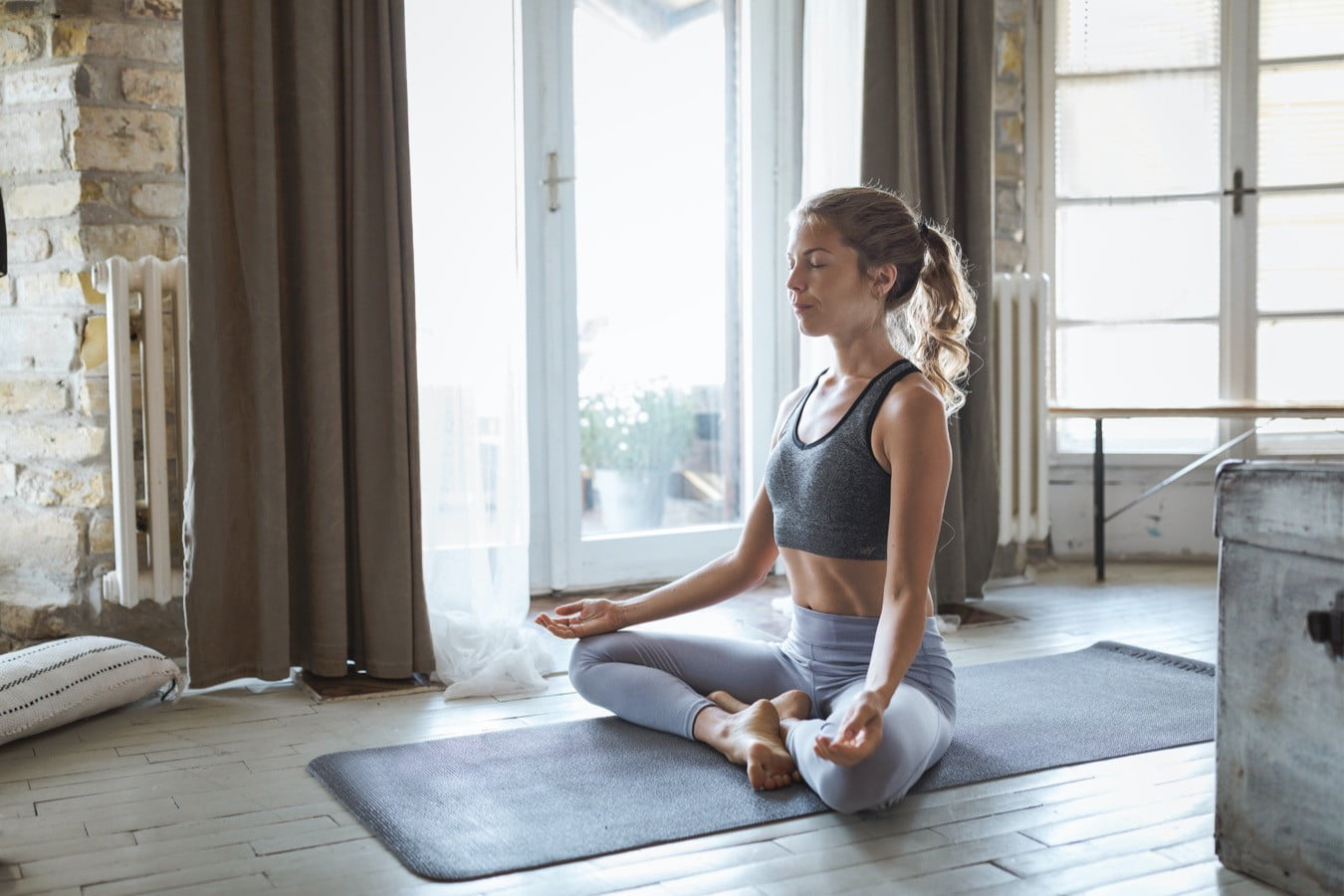
If you meditate while sitting, you can keep your hands in the mudra position or on your knees. In mudra, the hands lie in the lower abdomen, and the open palm of the right hand lies above the straightened fingers of the left.
In the lotus position, while meditating, the hands are held on the knees, palms down or palms up, with the thumb and index finger connected. In a lying position, the arms are extended along the body, palms up.
Is it necessary to meditate while listening to music?
Music is optional, but it can create the right mood. It’s like you come to the theater and first see velvet chairs, a gilded box, and a beautiful chandelier. These are also attributes that allow you to create a mood, but you can watch the performance on a wooden stool.
Suitable melodic music will help you get ready for the lesson at first. You can also use a special application; there are paid and free versions. The sound of nature, the noise of certain frequencies, or a voice from an installed application will return you to meditation the first time.
Simple meditation for beginners at home: techniques
Choose a time to meditate and also determine which pose is most comfortable for you. Ensure silence and arrange attributes: select music and candles. Set aside time for meditation and set a timer. Beginners can start with 5 minutes a day, but practice regularly.
Take a comfortable position
Sit on a chair or lie down. The arms are in a wiser position or extended along the body, palms up. Find the position that is most comfortable for you. If you do meditation before bed and are afraid to fall asleep, then meditate while sitting on a chair or in the lotus position. The pose should be comfortable and relaxed.
Concentration on breathing
And now comes the very moment of meditation. Relax, close your eyes, and try to focus on your breathing. To do this, start counting your inhalations and exhalations. For example, count from one to ten, then start over. Your goal is to forget about everything that is happening around you. At first, you will be distracted and lose track. Don’t scold yourself, start counting over again every time.
Concentration on sensations
Enjoy the beautiful landscape in the painting or listen to the sounds around you. This focus on what you like will allow you to take your mind off external problems.
Concentration on the object
It is best to concentrate on a visual object. This may be some symbol that is significant to you. If it is difficult to choose one, then you can concentrate on the candle flame. If there are a lot of visual objects around that distract you, then you can concentrate on the sound.
Frequently asked questions about meditation
What can you experience when you start meditating?
There may be a feeling of lightness that you have not experienced for years.
How to choose a meditation teacher?
First of all, you need to try to meditate on your own to understand that you are generally ready for it and can practice systematically. Then, to deepen your meditation practice and share your experiences, you can seek out a reputable and well-known meditation teacher.
How long should you meditate?
As a beginner, you can start with 5 minutes a day and gradually work your way up to the standard 10 minutes. You can practice long meditation sessions of 20 minutes several times a week.
How to turn meditation practice into a habit
Set aside time for meditation and prepare the attributes to start practicing: choose a place, light candles, and turn on music. The most important thing is to do this every day. It’s better for 5 minutes, but every day, than once a week for half an hour or an hour.
How can I tell if I’m meditating correctly?
You may have your own experience. When meditating, you may experience a feeling of peace, a sense of “rejuvenation” and satisfaction. These are signals that indicate that the classes are a success.
What mistakes can there be in meditation?
The biggest mistake is to pay too much attention to whether the position is chosen correctly, how the hands are positioned, and expect too quick results. So you can immediately quit classes