Every day of our modern life is filled with many tasks, the solution of which can be difficult and requires effort. There is no time left for yourself, no rest, and fatigue accumulates, threatening an avalanche of new problems. The traditional holiday experience, again, requires fuss and careful planning.
At such moments, when everything is boring, a retreat can be a saving oasis, providing an opportunity to break away from the everyday hustle and bustle and find inner peace.
Let’s look at what a retreat is for and what it gives.
What is a retreat?
Retreat means solitude for practicing spiritual practices. You put your usual life on pause to devote time to your inner “I”, you go on a journey only to it. At this time, plunging into yourself, you are trying to understand your life, looking for answers to your “unresolved situations,” and studying your thoughts, emotions, and experiences.
Types of retreats
Retreats vary in nature, depending on faith, needs, and interests. For example, some key spiritual retreats might be:
- Religious. Based on certain religious traditions: Christian, Islamic, Buddhist.
- Meditation. Includes meditation exercises and concentration on the present moment.
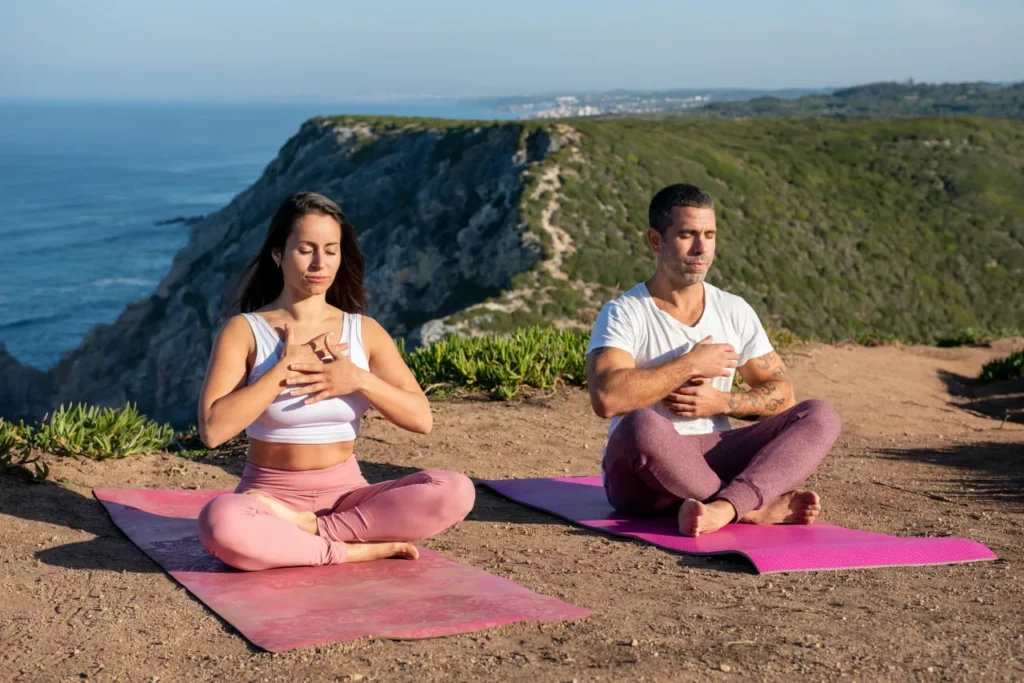
- Wellness. They combine the use of spiritual practices with health improvement or diet. For example, it could be a yoga retreat, which we will consider below.
Each retreat has its own goals, the choice depends on the person and his individual needs. In addition, retreats are individual and group, short-term and long-term.
The history of retreats
The idea of retreats, a method of solitude for spiritual development, has ancient roots. In Buddhism, many centuries ago, monks spent “vassa” – the rainy season – staying in monasteries for asceticism. The Indians also had a “retreat tradition”, including the Magical Vision Quest ritual. Christian retreats began as “spiritual exercises.”
Religions also celebrate holy days, initially organized as times for spiritual retreats, such as Shabbat or Sunday. The history of mankind is full of examples of when people left the world, seeking God, and receiving spiritual revelations. Abraham, Moses, saints, and apostles – they all found in solitude the path to inner peace and tranquility. Retreats have become an integral part of collective history, where representatives of various cultures sought solitude from the hustle and bustle of the world.
What is a retreat for, and what is the benefit?
A retreat is a journey to yourself. It is often perceived as a break from the daily hustle and bustle, but it is also a valuable tool for spiritual development. There are many benefits from retreats:
- An opportunity to separate yourself from the hustle and bustle of everyday life and find inner peace.
- Understand yourself better, gain clarity of your goals in life and self-worth.
- Concentration on spiritual practices reduces stress and tension.
- You can meditate, pray, and explore other spiritual practices.
- It has been noticed that such solitude develops creative thinking and inspires new ideas.
- Rest in silence and nature improves your health, both mentally and physically.
Retreats become a moment of reboot and renewal, providing participants with the opportunity to find harmony and a new perspective on their lives.
How the retreat works
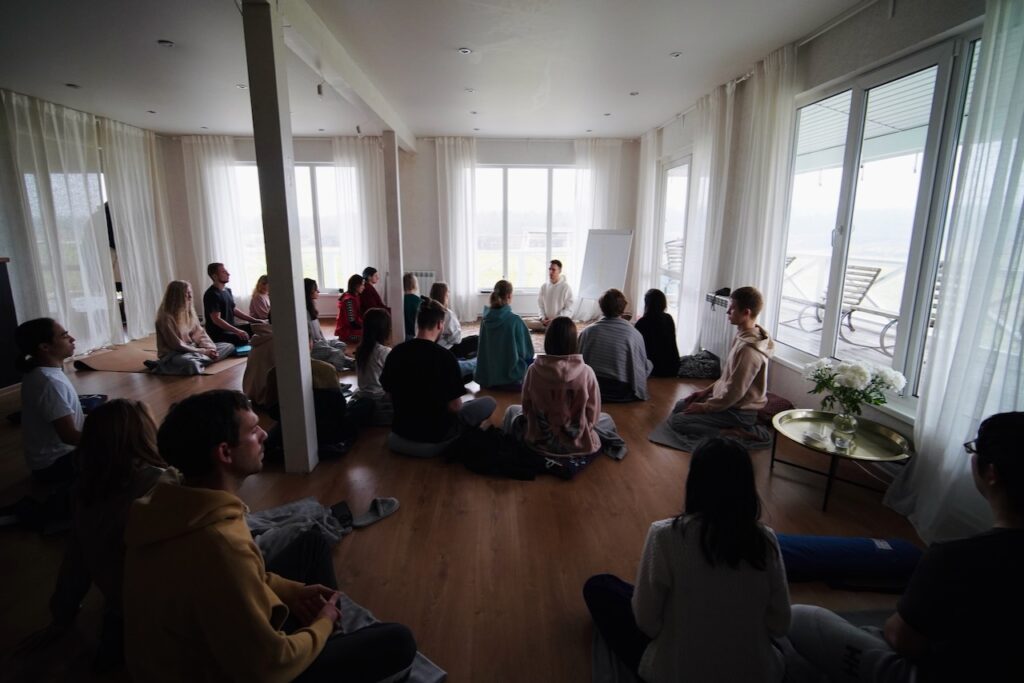
The retreat scenario may vary. It depends on its type, as well as the rules in the organization in which it takes place. The format is in the form of meditations, training seminars, and various spiritual practices. Retreats are often organized in secluded places – mountains, forests, monasteries. Silence in nature creates an ideal setting for immersion in spiritual practices
All participants work to a schedule that includes time for prayer, meditation, study, and self-reflection. A retreat means giving up gadgets and contact with the outside world to fully concentrate on the inside.
If the retreat is a group retreat, then the participants exchange experiences and inspire each other. At the end of the retreat, there is a gradual return to normal life; in the future, participants can apply the lessons learned in it.
Retreat duration
The duration of the retreat can vary, from several days to several weeks. Short ones are suitable for those who want to try solitude for the first time. Such retreats are often organized over the weekend. The average duration of retreats is up to a week, they allow participants to practice more and gain more experience.
Long retreats of several weeks are usually recommended for those seeking deep transformation and spiritual improvement. The length of a retreat is closely related to its goals: short ones are for rest, medium ones are for intensive practice, and long ones are for comprehensive spiritual growth.
Preparing for the retreat
If you decide to try to participate in a retreat, no special preparation is needed. Here’s what you need to take with you on retreat to ensure comfort and support your spiritual experience:
- Clothes for all types of weather, comfortable shoes, as well as personal hygiene items. Even in warm climates, nights can be chilly, so it’s best to pack something warm.
- A diary and pen, notes will help you retain and summarize your thoughts and impressions of the retreat.
- Medicines that you take regularly or that you may need.
Preparation for a retreat helps you make the most of the experience by ensuring a harmonious interaction with the practitioners and the environment.
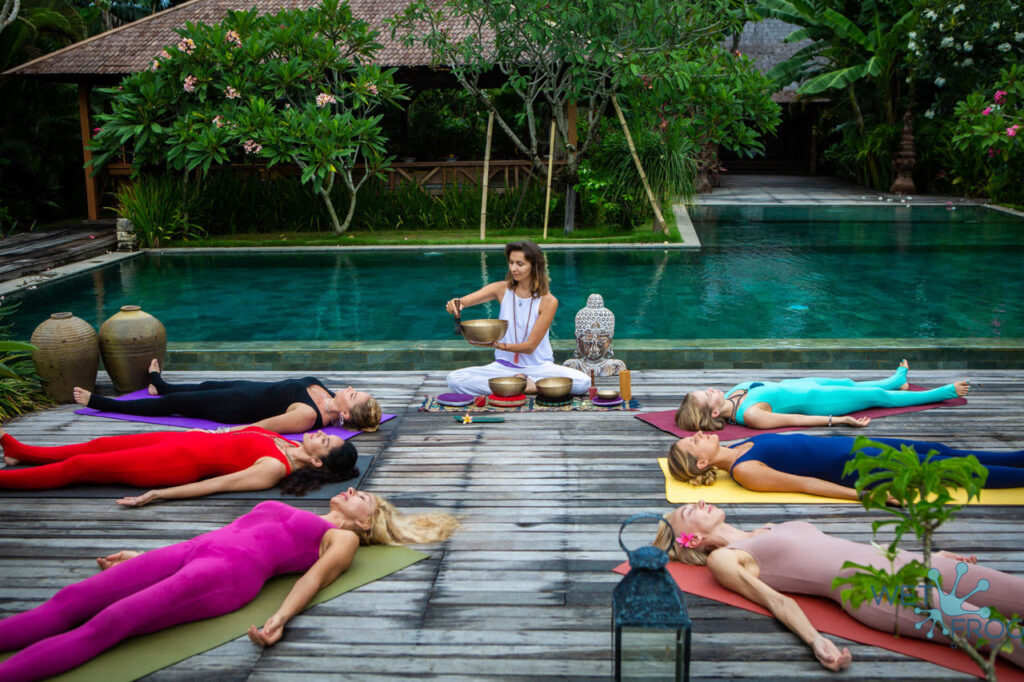
Where to go for a retreat?
The choice of place to go for a retreat depends on the goals, these could be:
- · monastery or temple;
- · natural place;
- · retreat center, yoga center;
- · quiet hotel or cottage.
Depending on your interests, you can choose retreats on health, creativity, personal growth, or women’s retreats. Enjoy your experience!