
After publishing our previous article about the risks in modern “Kundalini yoga,” we received many questions and comments. Some readers took the piece as a warning to “stay away from everything related to Kundalini.” However, you shouldn’t jump to harsh, one‑sided conclusions, because Kundalini is more than any technique or style of yoga. Let’s look deeper.
The main thing to understand
Kundalini is not the name of a yoga school. And it is not a lineage.
Kundalini is our primordial creative energy. Every person has it from birth. It isn’t something external that is “given” to us in a class, and it isn’t a brand owned by any organization.
It’s important to understand the distinction: Kundalini is energy. The methods of awakening it are different schools and traditions of yoga. Kriya Yoga, Hatha Yoga, Siddha Yoga—these are all different paths of working with the same energy. Calling one particular direction “Kundalini yoga” is like calling one recipe “food,” forgetting all the others.
When you see “Kundalini Yoga” on a fitness studio sign, it usually refers to a specific modern school created by Yogi Bhajan in the West in the 1960s. In the previous article, we spoke specifically about the risks of that particular direction—with its intensive breathing techniques given without proper preparation.
But Kundalini energy itself has been studied and awakened in yogic traditions for thousands of years. And approaches to working with it can be very different—from gentle and gradual to intense.
Why don’t all traditions speak openly about Kundalini?
Work with Kundalini is closely connected to tantric practices. Historically, Tantra was a closed system of knowledge passed only from a teacher to a prepared student.
This isn’t marketing secrecy or elitism—it’s an understanding that powerful techniques require a prepared vessel. According to yogic texts, the human body contains 72,000 nadis—energy channels. If they are not purified and the energy starts moving intensely, the very problems we wrote about can arise.
That’s why many authentic schools:
- Do not advertise “Kundalini awakening” as a product
- First teach purification practices for years (kriyas, shatkarmas)
- Transmit techniques gradually, observing a student’s readiness
Ancient traditions that work with Kundalini energy
1. Natha Sampradaya (the Nath lineage)
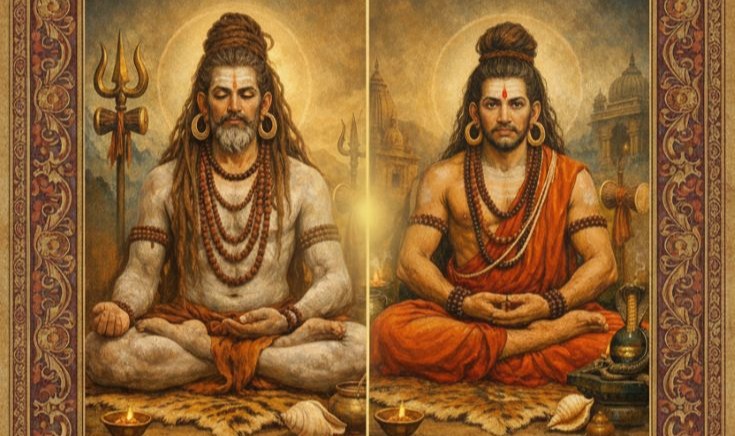
This is perhaps the most authoritative and ancient school at the roots of all Hatha Yoga. The founders of this tradition—Matsyendranath and Gorakshanath—systematized methods for awakening Kundalini.
Approach: using asanas, pranayama, and mudras (such as Maha Mudra) to purify the channels (nadis) and raise the energy. The energy rises naturally when the body and mind are ready.
Lineage: a direct line from the ancient siddhas. In the CIS countries, the tradition is actively represented by lines coming from Indian gurus—for example, the line of Yogi Matsyendranath.
2. Kundalini Maha Yoga (the Siddha Yoga line)
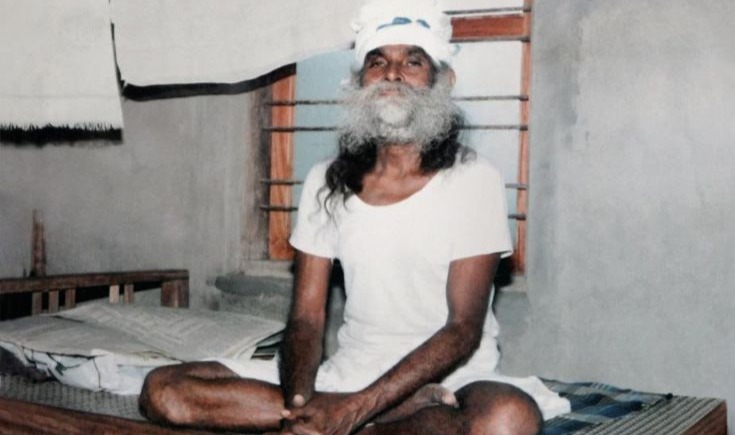
This school emphasizes Shaktipat—a direct transmission of energy from Guru to student, after which Kundalini may awaken spontaneously.
Key figures: Swami Shivaprabhakara Siddha Yogi, Swami Muktananda, Swami Lakshman Joo.
Distinctive feature: the practice often does not require exhausting physical exercises. The foundation is meditation and the “grace of the master.” That is why the authenticity of the teacher and their lineage is critically important here.
3. Kriya Yoga (the Mahavatar Babaji line)
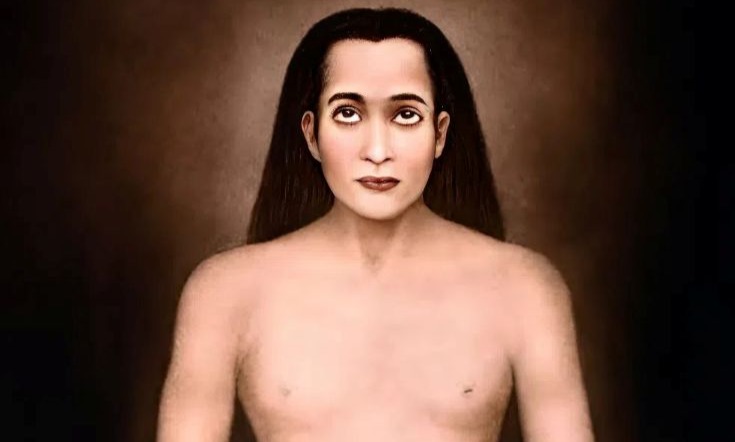
This school became known in the West thanks to Paramahansa Yogananda’s book Autobiography of a Yogi—one of the most influential spiritual books of the 20th century.
Approach: specific breathing and concentration techniques that gently guide prana up and down the spine. The practice gradually “demagnetizes” karmic knots and naturally awakens Kundalini.
Lineage: Mahavatar Babaji → Lahiri Mahasaya → Sri Yukteswar → Yogananda. Today there are several branches: Self‑Realization Fellowship, Kriya Yoga Institute, and others.
Distinctive feature: an emphasis on gradual progress and regular practice. No promises of “instant awakening.”
4. Kashmir Shaivism
A deep philosophical and practical school that views Kundalini as a manifestation of divine Shakti—the creative energy of the Universe.
Approach: working with consciousness and subtle vibrations (spanda). Kundalini awakens through recognition (Pratyabhijna) of one’s true nature—not through mechanical techniques, but through profound understanding.
Distinctive feature: a very deep, esoteric tradition that requires serious study of the texts—the Tantras—and work with a qualified teacher.
Modern schools and teachers
5. Inner Engineering (Sadhguru, Isha Foundation)
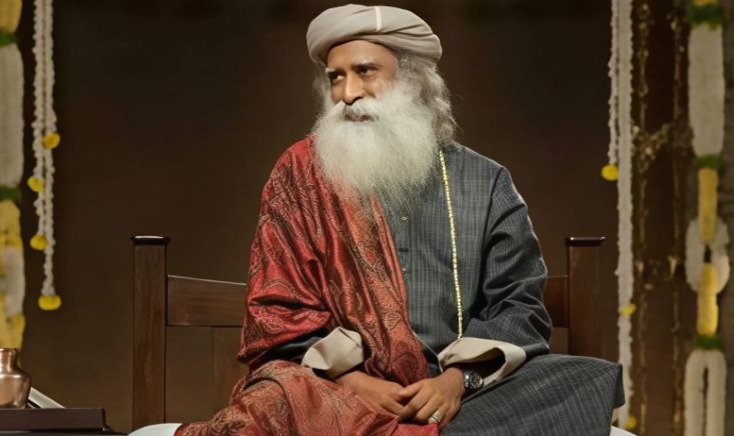
Sadhguru (Jaggi Vasudev) is an Indian yogi and the founder of Isha Foundation, who created one of the world’s most popular programs for working with inner energy.
Approach: the “Inner Engineering” program is a systematic technology for managing inner energy. The key practice—Shambhavi Mahamudra—is performed with closed eyes to fully direct attention inward.
Distinctive feature: the emphasis is not on Kundalini awakening as the goal, but on the ability to consciously manage one’s life force. The practices are adapted for modern people and do not require renouncing social life.
6. The Three Channels Technique (Andrey Lappa)
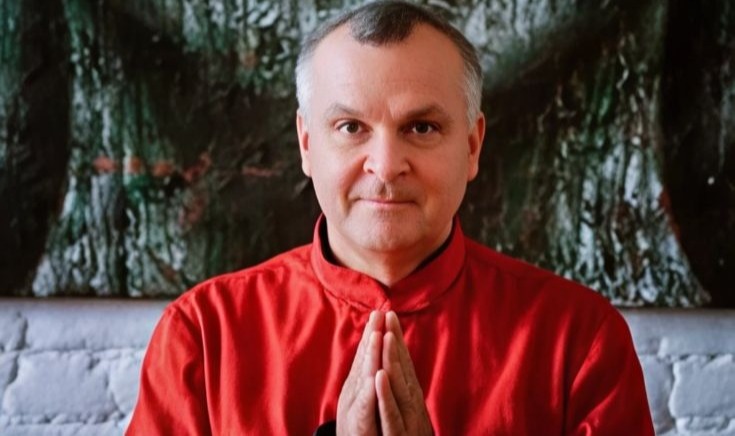
Andrey Lappa is a teacher from the post‑Soviet space who conducts seminars on working with energy channels.
Approach: practical work with the three main channels—Ida, Pingala, and Sushumna (the so‑called “Trident of Shiva”). The goal is to reach an exalted state by raising the flow of inner power.
Distinctive feature: a seminar format with direct transmission of techniques. Suitable for practitioners looking for a Russian‑speaking mentor who integrates knowledge from leading Indian schools and Buddhism.
What unites all authentic traditions?
Despite differences in methods, ancient schools agree on the essentials:
- Preparation matters more than awakening
Before the energy begins to rise, the body must be ready to receive it. Purifying the nadis is not a formality—it is the foundation of safe practice.
- A teacher is necessary
Not an instructor with a certificate after a two‑week course, but someone who has walked the path and is connected to a living tradition.
- Gradualness is wisdom, not weakness
Quick results are marketing. Real transformation takes time. Masters of the traditions never promise “awakening in one retreat or practice.”
- Yoga is a connection with the Divine
The word “yoga” itself means “union,” “connection.” It is not fitness, not a way to lose weight, and not a tool for gaining superpowers. It is a path to understanding one’s true nature.
Our approach
We stand for a conscious, prepared approach to engaging with Kundalini energy. The problem is not the energy itself. The problem appears when:
- Powerful techniques are given without preparation
- Instructors don’t understand what they are working with
- People are promised quick spiritual “results”
- The need to purify the energy channels is ignored
The nadi channels must be purified through kriyas—special cleansing techniques. This is not optional; it’s necessary. If energy starts moving through clogged channels, a person can get into serious trouble. That’s why traditional schools spend years on preparatory practices before moving to intensive work with Kundalini energy.
Too fast—and you risk losing your mind. Consciously and gradually—and the practice will unfold smoothly and harmoniously.
Kundalini is your own energy, energy in potential. It is not dangerous in itself. What can be dangerous is ignorant handling of it—just as careless handling of electricity or fire is dangerous.
How to practice safely?

If you feel drawn to working with your potential energy, here’s what we recommend:
- Study the tradition, not just the technique. Before practicing, find out: where does this practice come from? Who transmits it? Is there a lineage?
- Start with purification. Kriyas, shatkarmas, basic pranayamas, bodywork—this isn’t “boring preparation,” it’s the necessary foundation.
- Listen to your body. Any discomfort, strange states, anxiety—these are signals to stop and разобраться, not to “breathe through” more intensely.
- Don’t rush. The spiritual path is a marathon, not a sprint. Those who promise quick results usually don’t understand what they’re talking about.
- Seek a living tradition. Books and videos are information. Transformation happens through contact with those who have already walked this path.
Conclusion
Kundalini is neither a scary word nor a dangerous practice. It is the energy of life and creation that exists in each of us.
The only question is how to work with it: blindly grabbing intense techniques from the internet—or with respect, gradually, within traditions that have studied this terrain for millennia.
Our first article was a warning about the risks of an unconscious approach. This article is an invitation to deeper understanding.
Kundalini doesn’t wait for the one who “awakens” it faster. It waits for the one who is ready to receive it.
That’s why Olya and I created a yoga retreat in Bali, where you can explore the topic of Kundalini not through a screen but through lived experience—in a safe space, with support, and at a pace that suits you. It’s a chance not only to learn about traditional approaches but to embody them through the body and breath.
If you have questions about safe practice, want to learn more about traditional approaches to yoga, or are interested in our retreat, write to us. We’re open to dialogue.