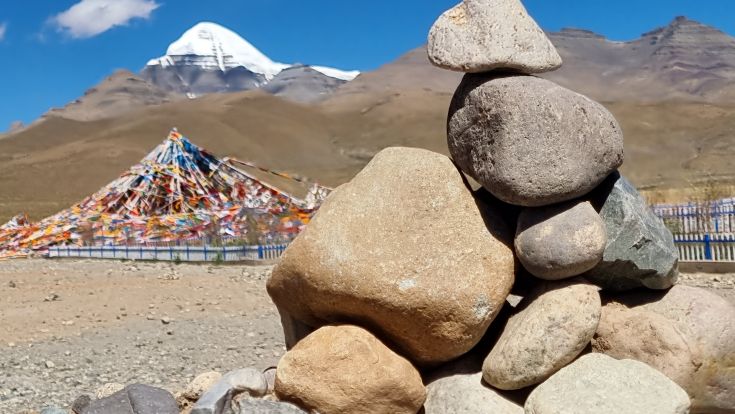
In the very heart of Tibet rises a mountain that has been drawing people like a magnet for thousands of years. Kailash is not the world’s highest peak at just 6,638 meters, but it is the only one that humans have never conquered. And it’s not because of technical climbing difficulties at all.
What secrets does this mountain hold that make people willing to spend a month’s salary and trek hundreds of kilometers across a high-altitude desert?
The Center of the World Recognized by All Religions
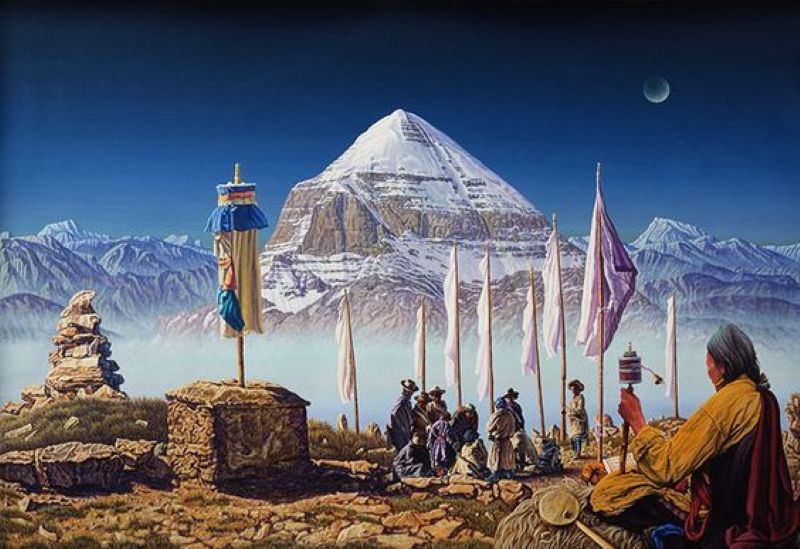
Kailash is the only place on Earth that four major world religions simultaneously consider sacred. Hindus believe that Shiva himself, the destroyer and creator of the Universe, meditates on the mountain’s summit. Buddhists call Kailash the center of the mandala of all existence, the place where earthly reality touches cosmic energies.
The ancient Tibetan Bon religion considers the mountain the soul of the world, while Jains worship their first prophet here. Such unanimity among different religious traditions exists nowhere else on Earth. Is this a coincidence, or is there truly something special hidden within Kailash?
Mysteries That Science Studies
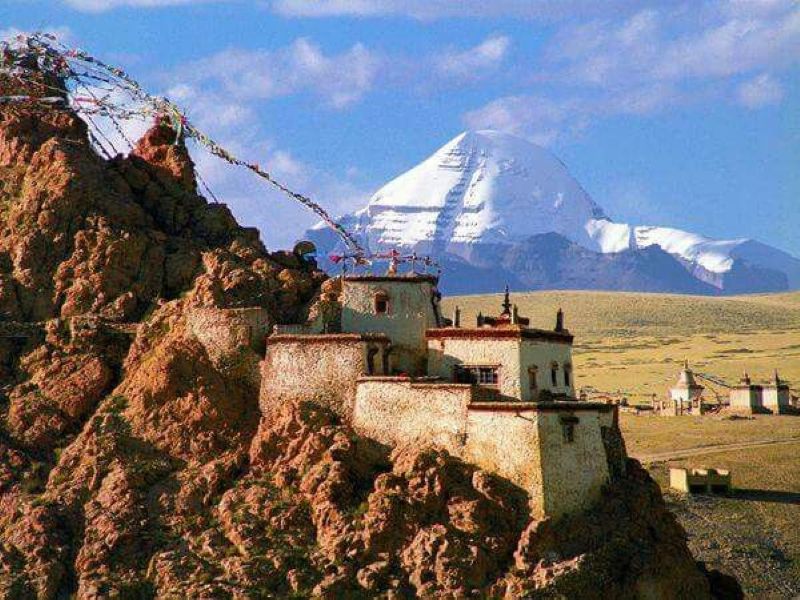
Modern researchers have discovered numerous anomalies around Kailash that classical science cannot yet explain. The mountain has an almost perfect pyramidal shape, with its faces precisely oriented toward the cardinal directions. Moreover, the distance from Kailash to Stonehenge is exactly 6,666 kilometers—the same distance to the Egyptian pyramids and to the North Pole.
Mountaineers report strange phenomena: sudden weather changes, unusual compass behavior, and accelerated hair and nail growth. Local inhabitants claim that time flows differently near the mountain. There are still no scientific explanations for these phenomena.
Why Rulers and Mystics Sought to Reach Here
History is filled with attempts to reach Kailash. In 1938, Heinrich Himmler sent an SS expedition to Tibet led by Ernst Schäfer. Officially, the Germans were studying flora and fauna, but their true goal was Mount Kailash and the search for an entrance to the legendary Shambhala. The expedition spent a year in Tibet, but what exactly they found remains a mystery to this day.
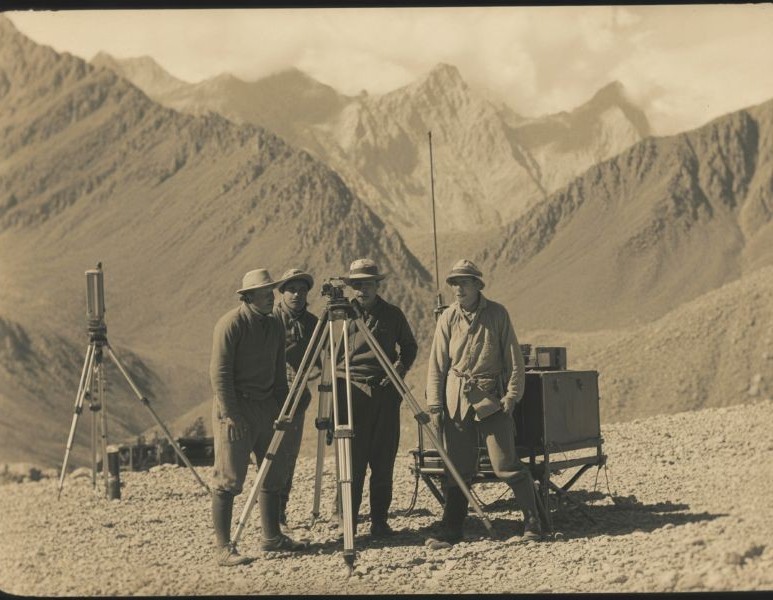
At different times, Nikolai Roerich, explorer Sven Hedin, and numerous European travelers and mystics sought to reach Kailash. Each searched here for answers to questions that ordinary life couldn’t provide. What compelled these remarkable people to spend years preparing for a journey to one of the most inaccessible corners of the planet?
Kora — A Journey as Long as Life
The pilgrimage around Kailash is called “kora” and consists of a 52-kilometer route around the mountain. According to ancient beliefs, one kora washes away the sins of an entire lifetime, while 108 koras free the soul from the wheel of rebirth forever. The path runs at altitudes from 4,600 to 5,600 meters and takes three days of intensive walking.
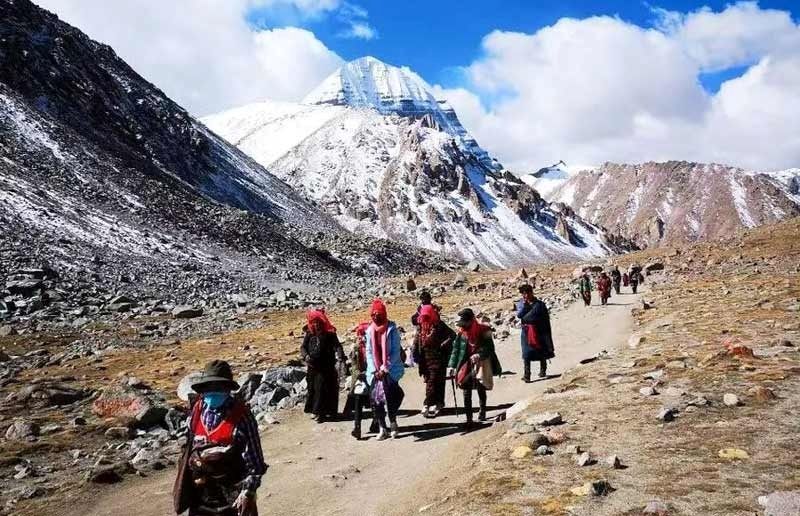
But it’s not about the physical exertion. Tibetans say that kora is not simply walking around the mountain, but a symbolic journey through death to new birth. At the highest point of the route, Drolma-la Pass, pilgrims leave something personal—hair, clothing, jewelry. This symbolizes parting with the old life.
Modern Pilgrims and Their Discoveries
Today, people of all professions and beliefs travel to Kailash. Businesspeople and teachers, doctors and artists, believers and atheists. Many arrive as skeptics but return with the feeling that they’ve touched something inexpressible in words.
What happens to a person on this journey? The thin air and physical exhaustion shut down habitual psychological defenses. The social mask disappears, leaving only the essence. In this state, many hear their own true desires and needs for the first time in years.
The mountain seems to ask each person a single question: Who are you really? And it forces an honest answer.
Place of Power or Self-Suggestion?
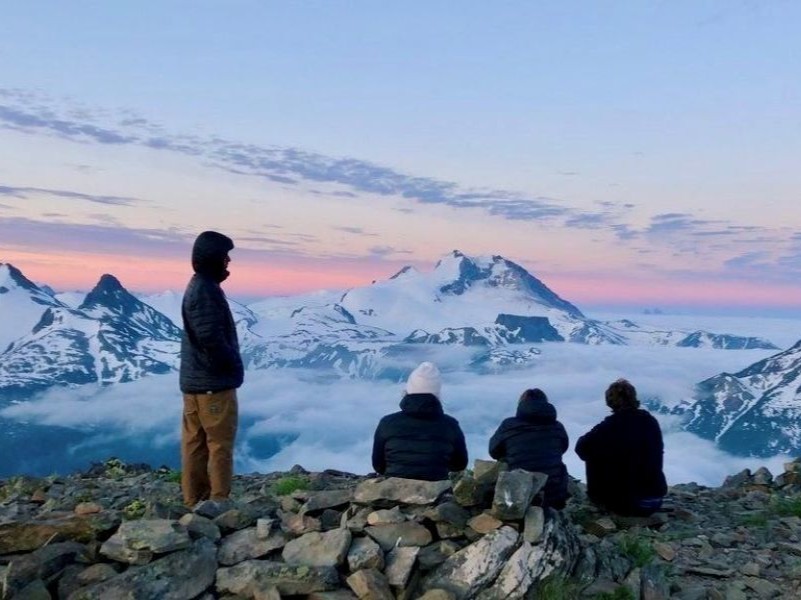
Skeptics explain all the effects through altitude, exhaustion, and auto-suggestion. Perhaps they’re right. But the fact remains: thousands of people return from Kailash fundamentally changed. Some radically change careers, others find life’s meaning, and still others simply gain inner peace that had been absent for years.
Does it matter whether the mountain has real power, or if all the magic happens in the pilgrim’s consciousness? The result is the same—people find what they came seeking.
A Challenge That Changes Everything
Kailash won’t give you ready answers or solve problems for you. This mountain is a mirror that shows the true face of everyone who dares to meet with it. Are you ready to see yourself without embellishment and accept what is revealed?
If there are questions in your soul for which you haven’t found answers for years, if you feel you’re living someone else’s life, perhaps it’s time to journey to the mountain that has helped people find their true path for thousands of years.
A journey to Kailash is neither tourism nor extreme sport. It’s an opportunity to meet yourself in a place where such encounters have been happening for thousands of years.