
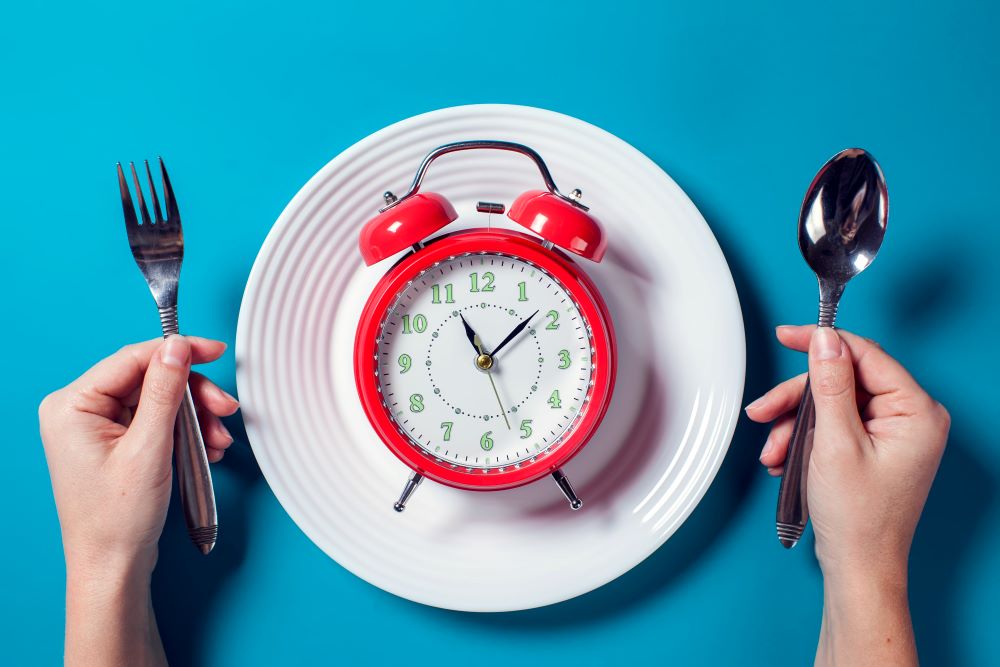
Imagine your body as a complex self-renewal system that nature has fine-tuned over centuries. Intermittent fasting is not just another trendy diet or the latest fad but a return to our body’s natural biorhythms. In a world where 24/7 supermarkets and food delivery have become the norm, we’ve forgotten a simple truth: our bodies need periods of rest from food.
Intermittent fasting is becoming increasingly popular, and it’s no surprise. From Hollywood celebrities to leading scientists, from athletes to business executives – more and more people are discovering this method. Why? Because it works. And it works not only for weight loss but also for rebooting the entire body.
The history of intermittent fasting has deep historical roots. Our ancestors didn’t have the opportunity to eat every three hours, and this eating pattern is encoded in our genes. Modern science confirms: that periodic abstinence from food triggers powerful mechanisms of body self-restoration.
Today, when problems with weight, energy, and health have reached epidemic proportions, intermittent fasting offers a simple yet effective solution. It’s not a strict calorie-counting diet, but rather a flexible approach to nutrition that can be adapted to any lifestyle.
In this article, we’ll explore all aspects of intermittent fasting: from scientific research to practical advice, from choosing the optimal protocol to solving potential challenges. Ready to learn how to transform natural breaks between meals into a tool for health and longevity?
Scientific Research on Intermittent Fasting
Recent scientific data confirms the effectiveness of intermittent fasting. A study published in the New England Journal of Medicine (2023) demonstrated that this method affects metabolism through several key mechanisms.
Autophagy: The Process of Cellular Cleansing
The 2016 Nobel Prize was awarded for research on autophagy – a mechanism that is actively triggered during intermittent fasting. After 12–14 hours without food, cells begin to “self-clean,” eliminating damaged components. Cell Metabolism (2022) confirms: that regular intermittent fasting increases the efficiency of this process by 34%.
Hormonal Changes
The Journal of Clinical Investigation demonstrates a clear connection between intermittent fasting and insulin levels:
- After 12 hours of fasting, insulin levels decrease by 20-31%;
- Cellular insulin sensitivity increases by 25%;
- Growth hormone levels increase 2-3 fold.
Circadian Rhythms
Science (2021) publishes data on the relationship between meal timing and the body’s biological clock. The study showed that maintaining an “eating window” of 8–10 hours improves:
- Sleep quality by 23%;
- Energy metabolism by 17%;
- The digestive system functions by 31%.
Metabolic Changes
According to Cell Reports (2022), during intermittent fasting:
- The body switches to fat-burning 12 hours after the last meal;
- Production of ketone bodies increases, serving as an alternative energy source for the brain;
- Inflammatory markers decrease by 18%.
These scientific findings help explain why intermittent fasting is becoming an increasingly popular method for health improvement and weight control.
Popular Intermittent Fasting Protocols
The 16/8 Protocol – The Gold Standard
Imagine your body working like a well-tuned clock. 16 hours of fasting and 8 hours of eating – this rhythm has proven to be the most comfortable for most people. It’s like giving your digestion a full night’s sleep. For example, you finish dinner at 8:00 PM and have your next meal at noon the next day. Simple math with impressive results: weight loss, energy boost, and improved well-being.
The 14/10 System – A Gentle Start
The perfect introduction for intermittent fasting beginners. Think of it as slightly extending your overnight break between meals. While 14 hours without food might sound daunting, remember that you’re sleeping through most of it. It’s like the first step on the stairway to healthy eating habits – low and safe.
The 5:2 Method – A Flexible Approach
Five days of normal life and two days of mild dietary restriction. On restriction days, you consume about a quarter of your usual caloric intake. It’s like giving your body a mini-reset twice a week. This approach is particularly convenient for those, who aren’t ready to track eating times daily.
Alternate Day Fasting – For Experienced Practitioners
This method works like a seesaw: a day of normal eating alternates with a day of significant calorie restriction. It requires serious preparation and a clear understanding of your body. Suitable for those who have already mastered simpler intermittent fasting protocols.
Remember: choosing a protocol is like finding the perfect outfit. It should fit your lifestyle perfectly, taking into account your daily routine and individual characteristics. Start with what feels most comfortable, and gradually move to more challenging protocols if you feel the need.
Health Benefits of Intermittent Fasting

Superhero-Like Energy
Remember that heavy feeling after a big meal? With intermittent fasting, you’ll forget about it. When your body isn’t constantly expending energy on digestion, it distributes energy more efficiently. After just a week of practice, many people notice remarkable mental clarity in the mornings and stable energy throughout the day. It’s like recharging a battery – the better the charging routine, the longer the charge lasts.
Weight and Metabolism: System Reset
Think of your body as a smart home with an automated resource management system. Intermittent fasting helps this system work more efficiently. When we give our digestion regular breaks, the body becomes better at recognizing hunger and satiety signals. It learns to use fat stores as an energy source instead of constantly demanding new portions of carbohydrates.
Brain: Activating Genius Mode
During fasting periods, our brain activates protective mechanisms and begins to work more efficiently. It’s like a complete computer cleanup – removing unnecessary files and optimizing system performance. Memory improves, concentration increases, and creative energy surges. Many people report that their most productive working hours occur during fasting periods.
Internal Rejuvenation
Intermittent fasting triggers natural cell renewal processes. It’s like having a maintenance crew at work: when there are no new supplies (food), the body focuses on “cleaning” – removing old, damaged cells and creating new ones. As a result, skin condition improves, overall tone increases, and aging processes slow down.
Immunity: Strong Defense
Regular fasting periods train our immune system, just as regular gym visits strengthen muscles. The body becomes more resistant to stress and better equipped to handle external threats. This is particularly noticeable during cold and flu season – those practicing intermittent fasting often report getting sick less frequently.
Important to remember: that all these benefits appear gradually. Your body needs time to adjust and learn to work in this new mode. This isn’t a magic pill, but rather a natural path to health that requires patience and consistency.
Who Should Avoid Intermittent Fasting
Despite its many benefits, intermittent fasting isn’t suitable for everyone. Let’s examine the cases where other health improvement methods might be more appropriate:
Expectant and Nursing Mothers: During pregnancy and breastfeeding, the body needs a constant supply of nutrients for healthy baby development.
People with Type 1 Diabetes: Sharp fluctuations in glucose levels can be dangerous, so regular meal timing is essential.
During Pre and Post-Surgery Periods: At least 2–3 weeks before and after surgical procedures, the body needs consistent nutrition for quick healing and recovery.
Those with Eating Disorders: Intermittent fasting might aggravate existing eating-related issues.
Special Attention and Doctor’s Consultation is required if You Have:
- Chronic conditions;
- Hormonal imbalances;
- Blood pressure issues;
- Gastrointestinal disorders;
- Regular medication requirements.
Self-care begins with paying careful attention to your health. If you have any doubts – consult your healthcare provider. They will help determine whether intermittent fasting is appropriate for you and how to make it as safe and effective as possible.
Practical Guide to Intermittent Fasting
Getting Started: First Steps
Start small – push your breakfast one hour later than usual. It’s like learning to swim near the shore before venturing into deep water. Gradually increase the interval between dinner and your first meal. Important: don’t rush into 16-hour fasting right away; give your body time to adjust.
Finding Your Rhythm
Listen to your body: when do you feel most comfortable eating? Some people easily skip breakfast, while others can’t imagine starting their day without it. Your ideal intermittent fasting schedule should fit into your usual lifestyle, not break it. For example, if you’re a “night owl,” you can shift your eating window to later hours.
What’s Allowed and Not Allowed During Fasting
Allowed:
- Drink pure water without limitations;
- Unsweetened black coffee or green tea;
- Maintain normal activities.
Not Allowed:
- Adding milk or sugar to drinks;
- Chewing gum;
- Consuming “zero-calorie” foods and artificial sweeteners.
Hydration Guidelines
Water becomes your best friend. It’s recommended to drink 30-35 ml per kilogram of body weight daily. Distribute your fluid intake evenly: a glass of water upon waking up, one glass every hour, and herbal teas throughout the day.
Breaking Your Fast Properly
Your first meal should be like waking up in the morning – gradual and gentle. Start with a small portion of protein-rich food with vegetables. Avoid sweets and flour products for your first meal – these can cause a sharp spike in blood sugar levels.
Physical Activity
Exercise pairs well with intermittent fasting, but requires the right approach:
- Light workouts can be done while fasting;
- Intensive exercises are better scheduled closer to your eating window;
- Yoga and stretching are suitable at any time.
How to Handle Challenges During Intermittent Fasting
Managing Hunger:
- Drink a glass of warm water with lemon;
- Brew unsweetened green tea or herbal tea (mint, chamomile);
- Keep busy away from the kitchen;
- Take a light walk.
Remember: hunger comes in waves and usually passes within 10–15 minutes.
Dealing with Low Energy:
- Temporarily reduce your fasting window by 2–3 hours;
- Check your sleep quality – you might need more rest;
- Add electrolytes to water (minerals: sodium, potassium, magnesium, calcium – found in sea salt, Himalayan salt, mineral water, baking soda);
- Schedule physical activity for after meals.
Gradually increase fasting time when you feel stronger.
Headaches:
- Increase water intake (30-35 ml per kg of body weight);
- Add a pinch of salt to water for electrolyte balance;
- Mind your posture and get fresh air regularly;
- Ensure you’re getting enough sleep.
Consult a doctor if headaches persist.
Irritability:
- Start more gradually – reduce your fasting window;
- Practice breathing exercises;
- Meditate or listen to calming music;
- Avoid stressful situations during the first weeks of practice.
Remember: adaptation typically takes 2–3 weeks.
Any serious negative symptoms are a signal to review your approach. Start gradually and listen to your body. Consult a specialist if needed.
Keep in mind: intermittent fasting is a marathon, not a sprint. Your goal is to find a comfortable routine that becomes part of your lifestyle, not a temporary diet.
Your Path to Intermittent Fasting: A Step-by-Step Plan
Week 1 – Gentle Start
Monday-Wednesday: Simply note the times of your first and last meals, without changing habits. This is your baseline.
Thursday-Sunday: Move dinner 30 minutes earlier and breakfast 30 minutes later. Small steps toward big changes!
Success Checklist:
- Purchase a convenient water bottle;
- Remove tempting snacks from home;
- Install a time-tracking app;
- Inform family members about your new routine;
- Create a list of activities to distract from food thoughts.
Remember: Every body is unique, and your journey to healthy habits may differ from others. Listen to your body, be patient, and consistent. Intermittent fasting isn’t a temporary diet but a new lifestyle that can bring you energy, health, and well-being.
Start today – simply note the time of your last meal. This will be your first step toward a new, healthier version of yourself!
P.S. Don’t forget to consult a doctor or nutritionist before starting, especially if you have any chronic conditions.
And finally – we’ve specially developed the Easy Detox program to help you begin your journey to a healthy lifestyle as comfortably as possible. The program includes a step-by-step action plan, healthy recipes, and practical intermittent fasting tips. Our experts will support you at every stage, answering questions and helping you overcome challenges.
Join the “Easy Detox” program – take your first step toward an energetic and healthy life today!