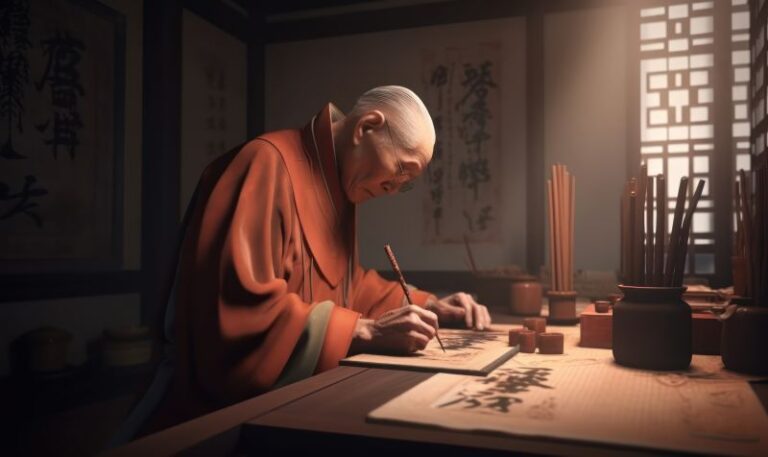
Routine kills. A feeling of fatigue and uncertainty in life appears. A person can behave as usual and look quite prosperous. And at this time, look for some solutions for themselves to return the bright colors of their life. However, the essence of the problems can be so deep that you can drive yourself into depression, from which it will be more difficult to get out.
Why does this happen? The root of such problems lies in the lack of self-knowledge, in the failure to understand the answer to a simple but important question: “Who am I?”
The problem of self-identification
Each of us at some point in our lives faces the need to find an answer to the question: “Who am I?” This question affects our perception of life, our relationships with others, and our inner harmony. When a person is not aware of his true nature, he tends to look for answers outside himself, hoping that new experiences or material goods will fill the inner emptiness. But, as practice shows, these are only temporary solutions.

Buddhism offered a unique way to solve this problem through awareness and acceptance of reality as it is. Buddha Shakyamuni, who lived more than 2,500 years ago, revealed to people the technique of self-knowledge, which helps to understand one’s true nature and free oneself from suffering.
The Four Noble Truths of Buddha
The basis of Buddha’s teachings are the four noble truths:
- Life is full of suffering. This does not mean that life itself is bad, but suffering is an integral part of existence that every person faces in one form or another. Suffering can manifest itself in the form of physical pain, emotional pain, loss, or unfulfilled expectations.
- The cause of suffering is our desires. Desires to have property, relationships, to receive pleasures. To get rid of suffering, you need to break the dependence on desires.
- There is a method by which one can get rid of suffering . This method is the eightfold path, which includes right view, intention, speech, action, lifestyle, effort, mindfulness, and concentration. This path helps a person develop awareness and learn to accept reality as it is.
- How to master this method? First of all, it is necessary to develop self-knowledge and equanimity. Self-knowledge is an understanding of one’s true nature, an awareness of who we really are. Equanimity allows us to remain calm and balanced in any situation, without succumbing to emotions and external influences.

Modern application of ancient technology
The technique of self-knowledge proposed by Buddha helps a person to look inside himself and realize his deepest fears, desires and attachments. However, for the successful application of this technique, certain conditions are necessary:
- Solitude. Big cities, comfortable hotels and exquisite food are not suitable for the practice of deep self-knowledge. For this, simple but important conditions are necessary – a quiet place, no distractions and minimalism in everyday life. In such conditions, a person can fully concentrate on himself and his thoughts.
- In an internal dialogue with oneself. In the process of this technique, a person must learn to conduct a dialogue with oneself, without interference from the outside world. This will make it easier to understand where one’s problems come from and find ways to solve them.
Techniques for working with body and mind
The first difficulty that people who practice self-knowledge face is physical limitations. Our body is used to comfort, and any deviation from the usual regime causes resistance. These limitations can be overcome if you work with the body, developing its flexibility and strength. Yoga is great for this. By doing physical exercises, we can prepare the body for deep meditation and conscious work on ourselves.
In the process of this work, we learn to feel each part of our body, to recognize where tensions arise and how they can be eliminated. This helps us to better understand our emotions and to respond to them consciously, rather than impulsively.
Part of this technique is dynamic meditation, which is done in nature. Walking in the fresh air helps relieve stress, clear the mind and restore inner balance. Nature has a healing effect, allowing a person to feel connected to the world around them and find inner peace.

Practical organization of the process
The process of self-knowledge can be effective if you create the appropriate living conditions. During the practice, you should be distracted as little as possible by cleaning, cooking, etc. It is ideal if someone takes care of this for you, so that you can fully concentrate on the inner work.
The diet should be simple and balanced, and a vegetarian diet is best for this. It helps cleanse the body and maintains energy throughout the practice. For our silent retreats, we try to invite a local chef who specializes in preparing healthy and delicious vegetarian dishes.
In order for the body and mind to move to a higher level of vibration, the practice can be supplemented with sound therapy and aromatherapy. Sound vibrations and aromas help to relax, free the mind from tension and prepare it for deep meditation. This integration of modern methods with ancient technology allows the practice to be adapted to the realities of life and made more accessible to modern man.
Motivation and results
Why do people decide to work so hard on themselves? What gives them the strength to endure all the trials and overcome internal barriers? The answer is simple hope. I hope that in a few days, all these difficulties will pay off and bring the results they expect.
The practice of self-knowledge through meditation helps a person to gain a sense of his true self. It allows him to meet himself, his inner world, and feel a powerful flow of energy that awakens in the process of working on himself. This feeling gives strength to overcome any difficulties and maintain motivation throughout the practice.
As a person immerses themselves in meditation and self-knowledge, they begin to feel inner clarity. With this clarity comes a profound rethinking of their life, their goals and values. A person begins to understand what they really want from life, what their true aspirations are, and how they can achieve harmony with themselves and the world around them.
Check out our Vipassana participants’ reviews of their emotions, the quality of yoga practices, nutrition during retreats, and much more.
Conclusion
One of the meanings of the word “Buddha” is openness. Openness of mind, openness to new ideas, openness to oneself. When a person realizes his true nature, he becomes completely open, his mind is freed from limitations and prejudices.
However, when we talk about openness, it is important to understand that it should not be an impulsive or emotional desire to change immediately. Openness is a process that requires wisdom and acceptance of yourself as you are. It is the understanding that you are not limited by your fears, attachments or desires.