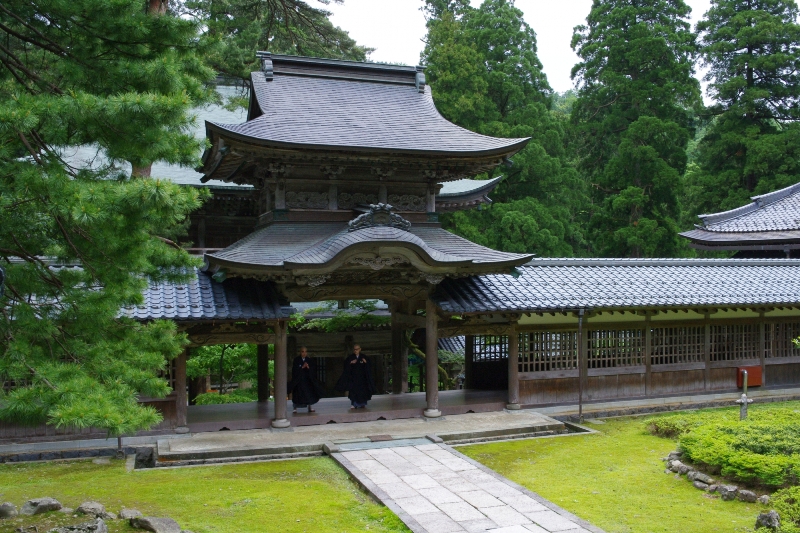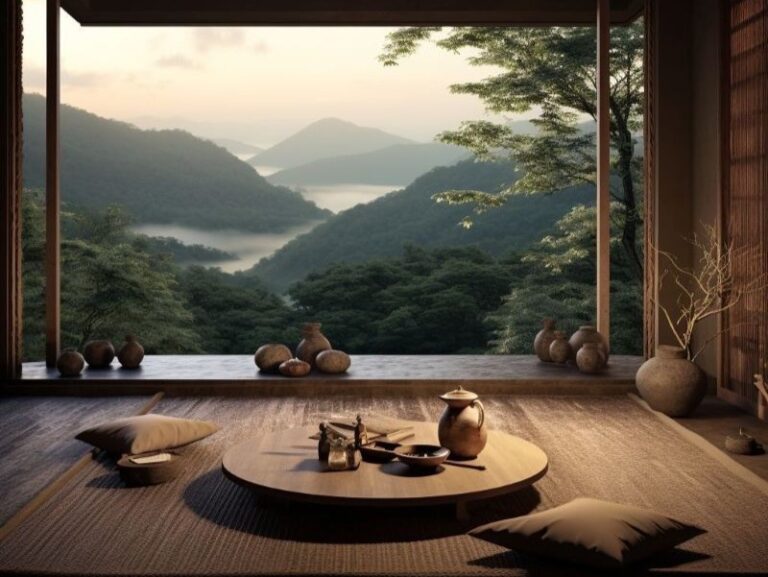
Tourists in Japan who visit Buddhist monasteries are offered a new format of guest accommodation – shukubo. These guest houses are usually located on the grounds of monasteries or other sacred places, such as in the mountains.
For those living in them, the monks share the secrets of their practices. Tourists can not only get acquainted and experience the “life of a monk,” but also gain a unique meditation experience. You will be taught how to truly be happy.
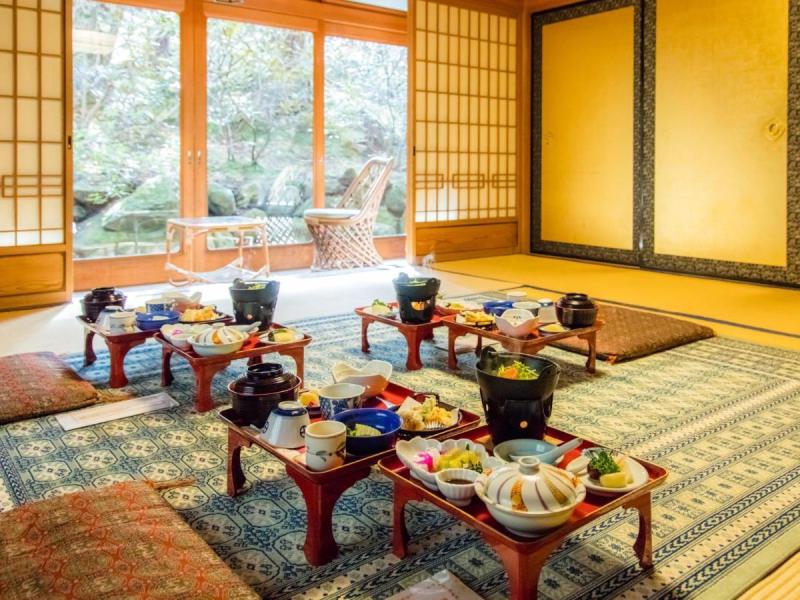
What kind of experience does living in Shukubo offer?
To a visitor, the territory of the monastery may seem like heaven on earth; a small number of monks often live there. Life moves on schedule, but it can feel like time has stopped or is moving as fast as you can handle it.
What can you expect during your stay at Shukubo?
- Simple or even ascetic living conditions. There are only straw mats (tatami) or Japanese mattresses (ftonami) on the floor in the room.
- Vegan or vegetarian food is accepted in this monastery.
- Participation in religious rituals. Guests are encouraged to participate in Buddhist prayers and rituals.
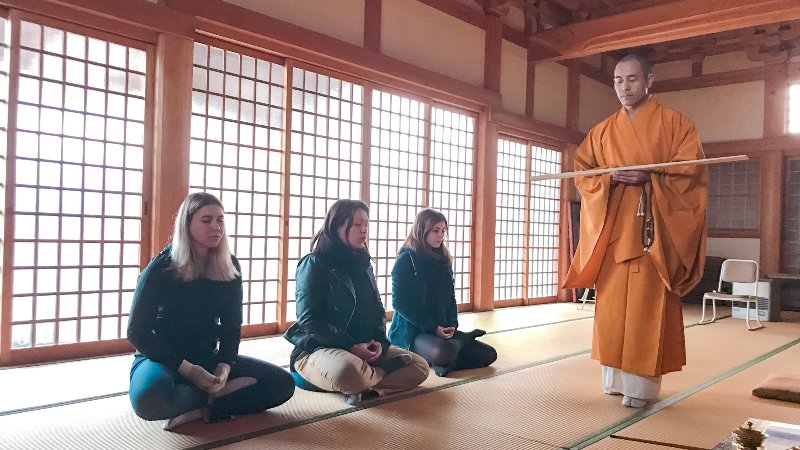
- Meditations. The monks conduct meditation sessions, and teach how to perform them correctly, how to relax, and find inner peace.
The experience of living in a Buddhist monastery became a saving grace for many when they had problems in life. At such a moment, a person closes his body from the outside world with mountains, and his mind with meditation. After a while, the realization comes that happiness is not what we are used to representing it: money, housing, status. It’s stupid to consider yourself unhappy if you don’t have all this. Happiness is within us.
The practice of “shaky” (写経) – a master class in Japanese monasteries
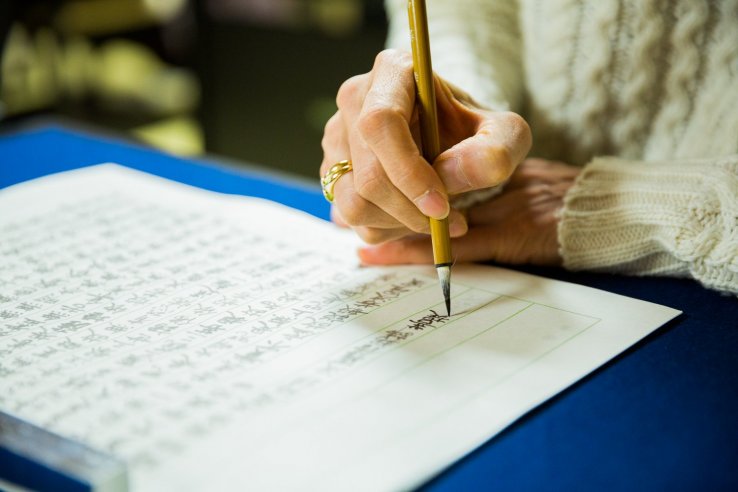
One of the Buddhist practices that can be done in Japanese monasteries is the practice of “shakyo” – hand-copying Buddhist sutras, which gives peace. Why do people do it? Firstly, in this way, they try to better understand and express respect for Buddhist teachings. And secondly, this is one of the ways of meditation to concentrate the mind and spiritual development.
What does the practice of “shakyo” give to modern people?
Translated from Japanese, the word “shakyo” means searching for oneself or achieving perfection. Therefore, this practice will be useful to any modern person and for the following reasons:
- Developing awareness that will help a person live in the here and now and feel a deep connection with the world around him.
- Practice helps you better understand your inner world, and your desires, and love yourself.
- Increases stress resistance.
- Helps develop concentration.
- Stimulates creative thinking, which contributes to the emergence of new ideas and solutions in different areas of life.
- Promotes spiritual development, which helps to find peace and tranquility in our hectic world.
Thus, for a modern person, this is a very useful practice. Perhaps you are interested in it, but you are hesitant to try it because you don’t know the hieroglyphs.
Is it possible to practice shaky if you don’t know the hieroglyphs?
If you don’t know hieroglyphs and don’t know how to read them, by copying them you will understand how calming this activity can be. Don’t worry about the sequence of writing the hieroglyph and how beautifully you will write it. Be calm, free your mind, and just write. Of course, you can immerse yourself in this practice at a special master class.
Where can you get the Shukubo experience?
Shukubo are found throughout Japan, especially in places with a rich Buddhist heritage such as Kyoto, and Nara, and mountainous areas such as Koyasan – one of the most famous places for this type of residence. Koyasan is a sacred mountain in Wakayama Prefecture, home to many temples and monasteries offering shukubo accommodation. If you go on the “ Zen in Modern Japan ” tour, you will not only get the experience of living in a shukubo but also attend a master class on rewriting Buddhist sutras.