
Shojin ryori is a traditional Buddhist cuisine in Japan. Vinikla is right in the dark middle of the doctrine of Buddhism, about those who are not fair to slaughter animals for the sake of their food. Therefore, the menu contains only vegetable products: vegetables, legumes, cereals. They were dismissed as mercy from the residents. The menu also has a lot of soy products, mushrooms, seaweed, peas, vegetables, rice, and sesame.
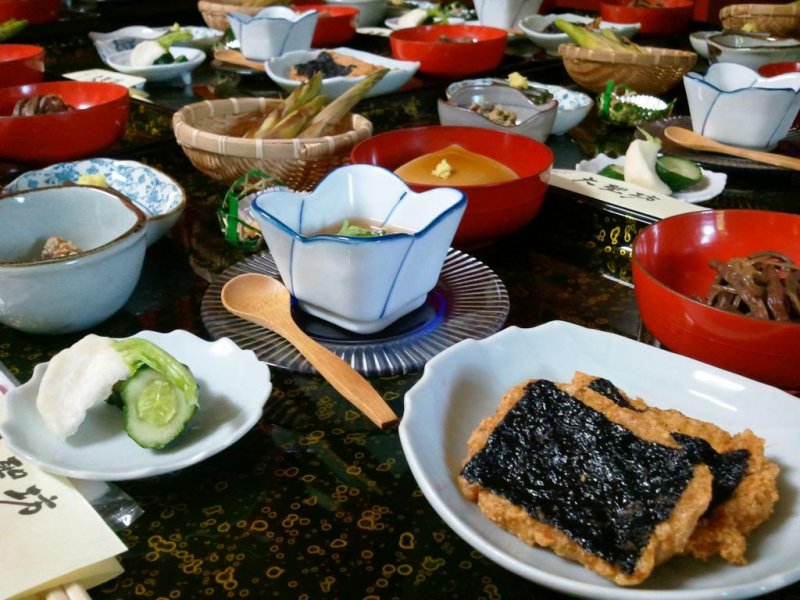
It’s just as well that meat is not included in the tavern of Buddhist traditions. Syojin ryori does not include 5 bitter roots:
- watchmaker;
- Cybula ripchasta;
- leek;
- Green Cibula;
- shallot cibul.
It was appreciated that this is the root of anger and arouses sexual desire. Let’s look at a few details of this vegan cuisine to understand why Japan has the greatest respect for its yak.
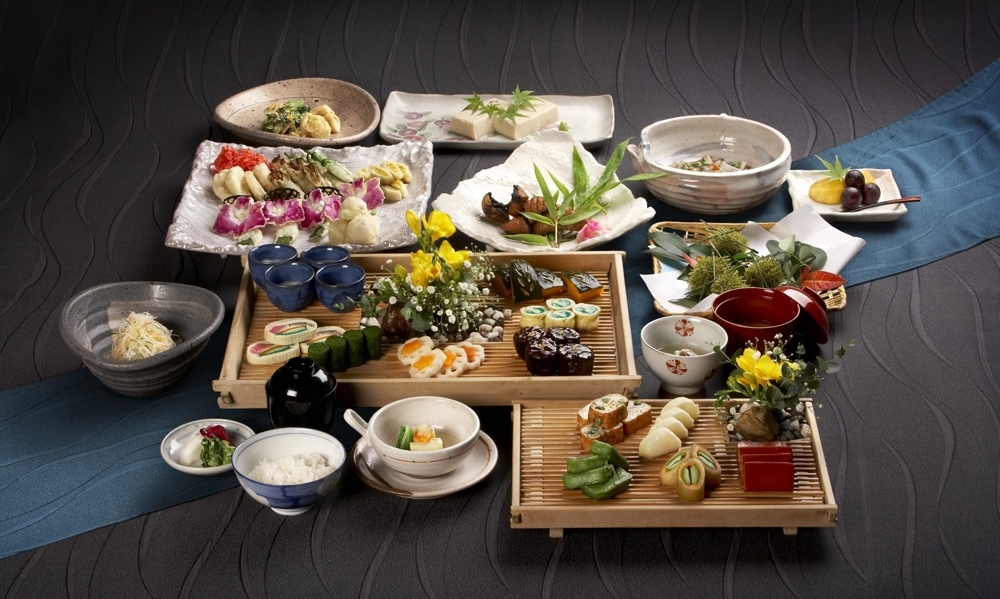 Shojin ryori
It’s great! In the 6th century, Japan experienced a period when live meat production was banned by the emperor. It’s true that the fish and birds killed the birds.
Peculiarities of syojin ryori food
The key points of this style of living are the following:
- Please note that they are vegan and do not include meat, eggs, dairy, or fish. Buddhist traditions paid special attention to the life of creatures, so as not to harm them.
- Products are selected based on seasonality and freshness. Therefore, the stench will always be fresh, savory and fresh.
- The preparation is simple, without being overbearing. This helps people to remain darkened and to emerge from supernaturalism.
- Prayers and meditation accompany the reception of hedgehogs, Buddhist sects do not forget to pay for the removal of hedgehogs.
- All herbs are prepared to minimize outputs, which is important to nature. For the preparation of various dishes, stems and leftovers are used.
In this way, the sōjin ryori who prepare their seasonal vegetables are respected by the quality and price. Ale de skustuvati ci stravy? Japanese restaurants offer a lot of vegan and vegetarian options, but unfamiliarity with the language often leads to confusion when talking to the waiters. It’s unlikely that you’ll be able to taste the fresh herbs from the kitchen of Syojin Ryori.
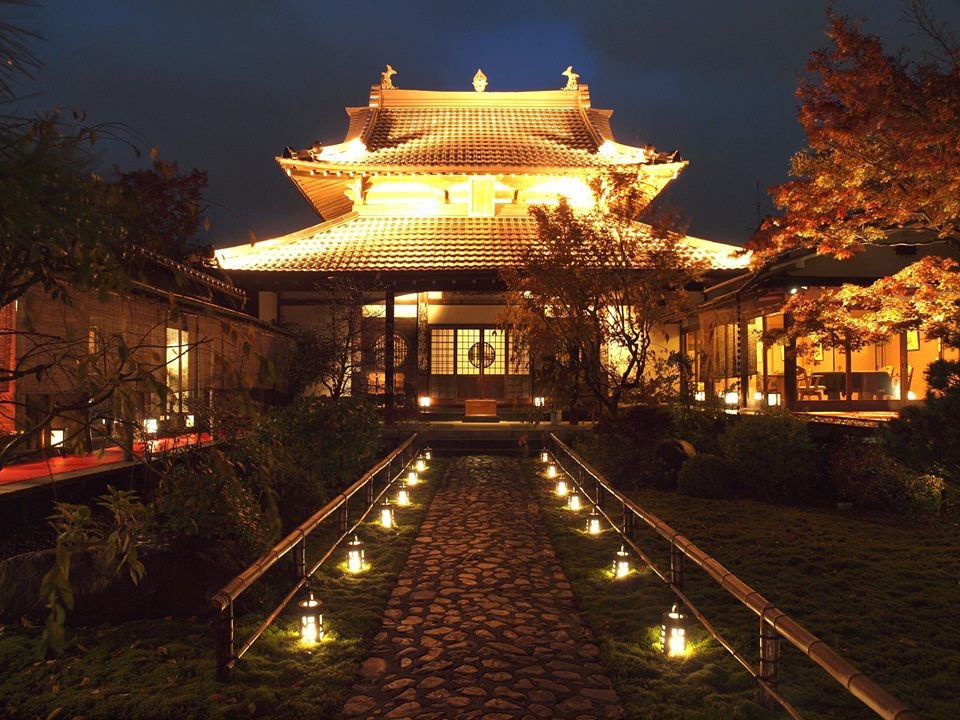
You can visit them in Kyoto, but the most popular place is Mount Koya-san, home to the Shingon Buddhist School. You can go there if you sign up before our “ Zen in Modern Japan ” tour, which includes an overnight stay on the grounds of a Buddhist temple.
You can not only indulge in Shojin ryori yaka, regardless of simplicity but also haute cuisine, especially taking part in meditation. You will delve into Japanese culture, and try a variety of Zen Buddhist practices: zazen, copying and reading sutras from Buddhist traditions, and Shinto meditation under a waterfall. This will be your unforgettable and unique proof of value!