Children are free-spirited angels. They have vivid imaginations that take them to places we will never understand. Their subtle minds and fragile bodies need to be carefully developed and shaped.
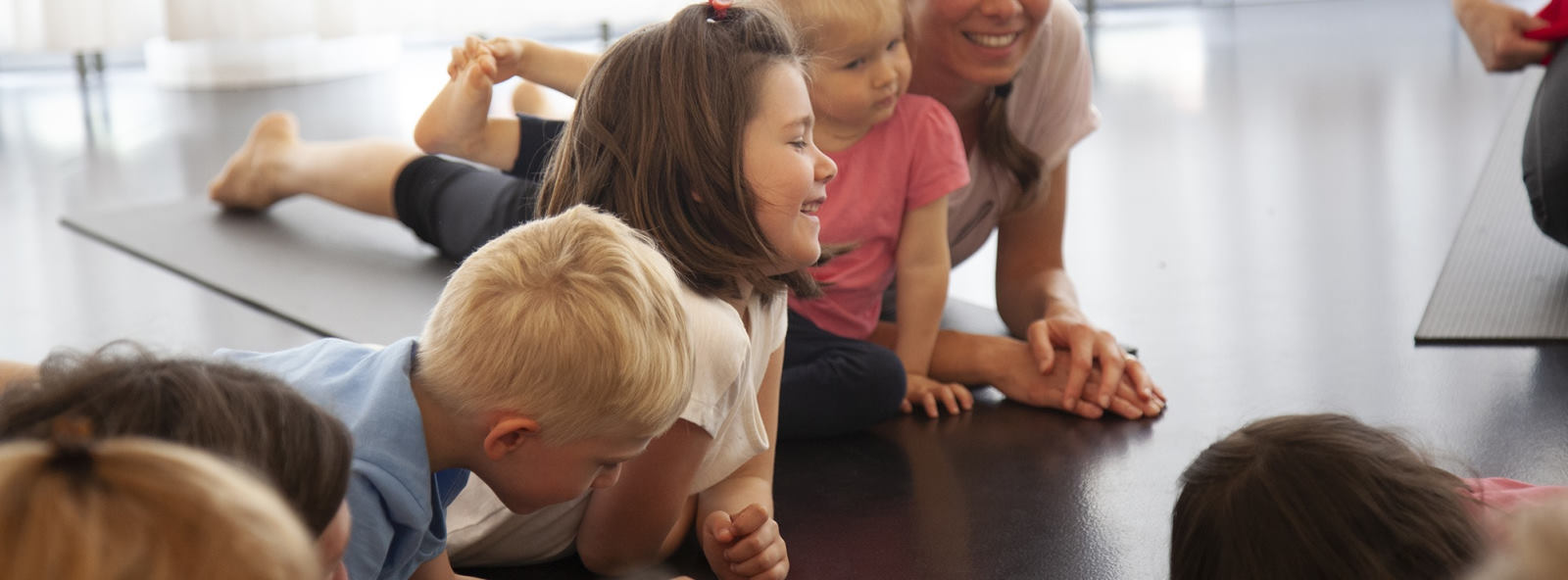
Benefits of yoga for children in kindergarten
Through systematic training, yoga has a rejuvenating and calming effect on our body and mind.
For young children, yoga is a tool for learning, first of all, themselves. When a child begins to recognize and understand himself better, he learns to understand the world around him. A key role in a child’s understanding of the world around him is interaction with people around him. Through various yoga exercises and yoga techniques, children learn to understand other people, qualitatively improving their interaction with them.
Such active knowledge of the world is inherent in the child by nature, and, from birth, this is what the child does all the time.
 Already in kindergarten, when a child goes out into a wider world than his family, additional factors begin to influence him. New situations arise more often, and there are more people around with whom the child interacts. All this inevitably leads to the manifestation of new emotions, feelings, and forms of their manifestation.
Therefore, it is very important in preschool age, from 3 to 6 years old, to provide maximum assistance to the child to understand and accept these changes, as well as learn to live happily with them.
Yoga for children is one of the gentlest and most fun methods that help not only cope with emerging internal contradictions but also form healthy habits, behavior, and approaches in the future.
Kindergarten has become a kind of new first grade. Young learners have high expectations in terms of cognitive load and attention span. Recent research* shows that practicing yoga in kindergarten can be very beneficial for children.
Yoga class in kindergarten, video:
Study on the impact of yoga classes in kindergarten
A group of researchers conducted a randomized experiment with 45 5-year-old children in kindergarten. The children were divided into three groups:
- yoga (twice a week for 30 minutes for 12 weeks),
- general physical education (twice a week for 30 minutes for 12 weeks),
- control group, which did not participate in any physical activity.
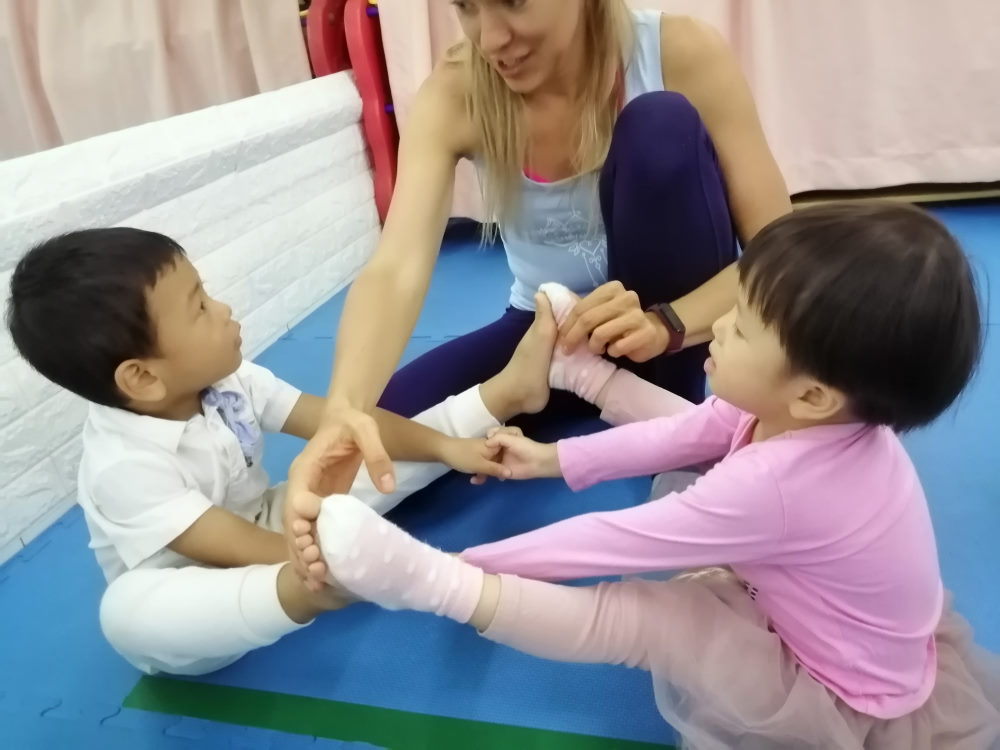 Each child was assessed 2 times: at the beginning of the study and after completion of the 12-week program. The assessment used visual tests to identify hyperactivity and attention deficit (Visual Attention and Visuomotor Precision subtests of Neuropsychological Evaluation Battery and the Attention-Deficit/Hyperactivity Disorder (ADHD) Rating Scale-IV). At the beginning of the study, there were no significant differences between the groups.
Interesting stories were told to engage the children in the classes and motivate them to perform various yoga poses. Every week the classes became more difficult. The structure of yoga classes for young students:
| No. | Duration | Activity |
| 1. | 5 minutes | Warm-up |
| 2. | 15 minutes | Performing various yoga exercises in sitting and lying positions |
| 3. | 5 minutes | Breathing techniques |
| 4. | 5 – 10 minutes | Yoga games |
After the end of the experiment, data analysis showed that yoga classes in kindergarten had a significant positive impact on the children of the group in which regular yoga classes were held:
- reduction in the level of inattention and hyperactivity ;
- took less time to complete two visual motor accuracy tasks compared to the general physical education group;
- higher visual attention scores compared to the control group.
*Jarraya, S., Wagner, M. O., Jarraya, M., & Engel, F. A. (2019). 12 weeks of Kindergarten-based yoga practice increases visual attention, and visual-motor precision and decreases behavior of inattention and hyperactivity in 5-year-old children. Frontiers in Psychology, 10, 796.
How does a yoga class work in kindergarten?
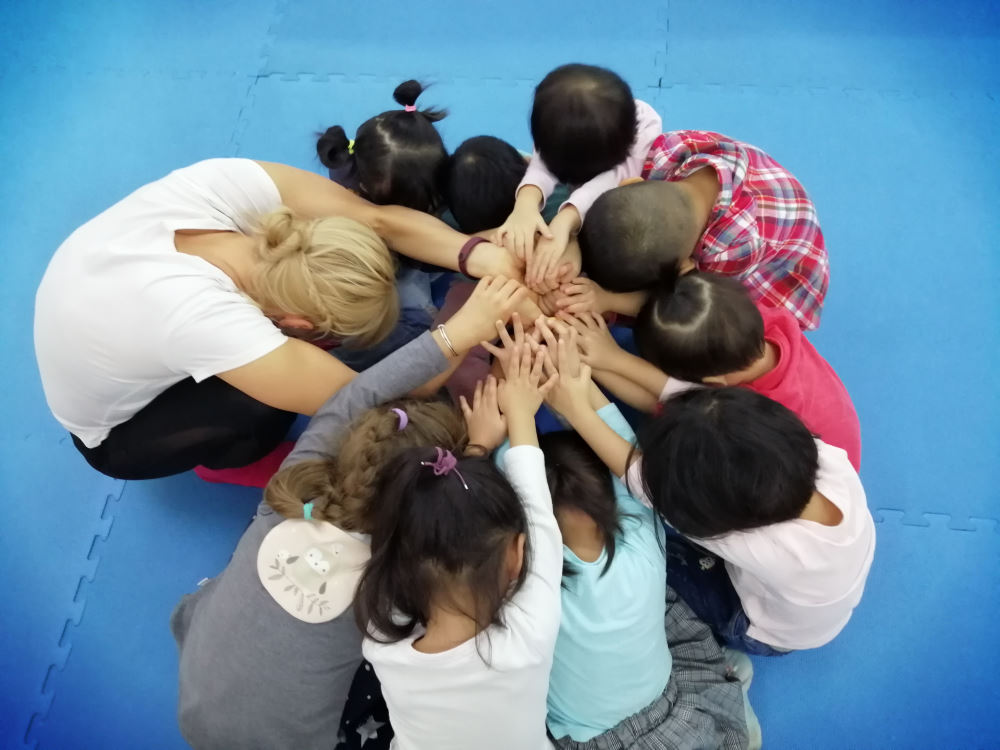
Typically, yoga in kindergarten is taught in the form of a story to engage the child’s imagination. The poses included in children’s yoga are slightly modified forms of traditional asanas that help improve coordination, focus, and balance. Yoga helps calm children, and makes them more confident and disciplined.
Also, through yoga classes, children in kindergarten are taught to relax. This improves their mood and motivates them to study. Research says yoga stimulates neurogenesis in the brain, which enhances cognitive control in children.
Regular yoga classes in preschool age create a state of inner peace in the child. This helps him cope better with the fast pace of learning. Young children often experience conflicting emotions – yoga can help calm them down. They are also extremely flexible – yoga helps shape their body correctly and teaches them how to control it in different ways.
Yoga classes in kindergarten combine exercises to develop deep breathing, exercises to develop strength and balance in the body, teaching ethical standards of behavior, and relaxation techniques.
Useful yoga poses for preschool children
Several interesting yoga exercises for children that a child of preschool age (and even primary school age) will enjoy:
- Head Down Dog Pose (Admo Mukha Svanasana)
- Tree pose (vrikshasana)
- Mountain pose (tadasana)
- Little Child’s Pose (Balasana)
- Butterfly Pose (Badha Konasana)
- Bow Pose (Dhanurasana)
Head down dog pose
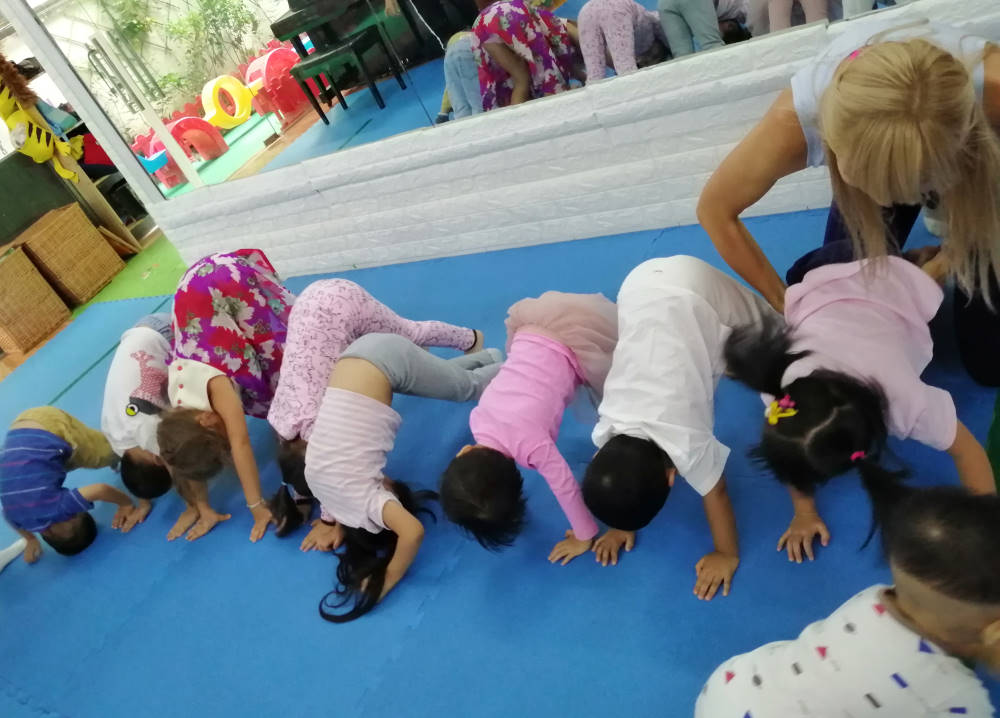 This pose triggers the return of blood flow and hence it is an excellent pose for oxygenating the body. During this exercise, the child’s arms and legs should be pressed tightly to the floor. This is also a resting position that helps the child gain stability. The more effort the child puts into performing this asana, the more concentrated his mind becomes. The head-down dog pose is a kind of “classic” pose in yoga.
This pose resembles a tunnel. A fascinating story about things or animals that can pass under this tunnel will seduce the child. Also, the story of a dog stretching after sleep can be used to teach this asana.
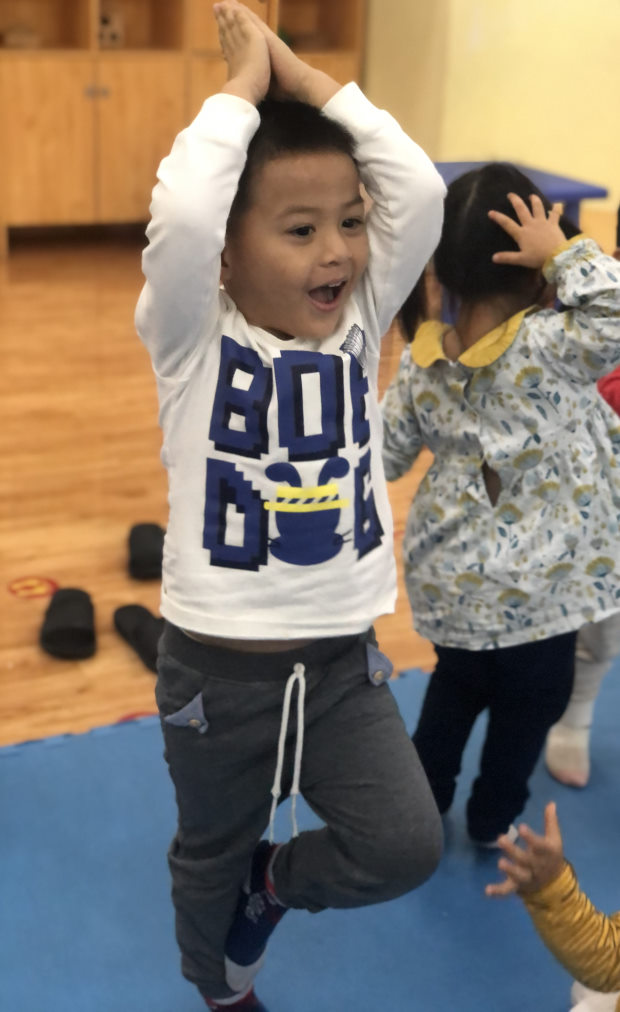
Tree pose
This asana affects the sense of balance as it calms the mind. Maintaining balance in this pose requires tightening your abdominal muscles and concentration. Children find it difficult to relax their minds and focus from within. This pose relaxes the mind, keeping everything in place as you inhale and exhale through your nose.
For children, this asana can be accompanied by a story about a tree that firmly holds the ground with its roots and feels the wind that develops its foliage.
Mountain pose
This is one of the most powerful poses in yoga. It is very simple and at the same time gives a feeling of light, strength, and calm.
The history of soldier discipline is a perfect combination with this asana. Also (for little princesses) it’s good to imagine this pose as a beautiful mighty mountain standing in a fairy-tale bright forest.
Butterfly pose
Badha Konasana’s pose opens the hip joints very well. This position also helps your child’s ankles become more flexible. Since it resembles an open book, this can be used when teaching a child how to do the asana.
Child’s Pose

The Balasana or the Child Pose is a place of safety for the child. It is a grounding pose that soothes the mind and also acts as a restorative pose. You must make sure you remain calm and quiet while doing the pose so that the kids use that as a reference too.
With the help of this asana, the child feels safe. This is a fundamental pose that calms the mind and also acts as a restorative pose. You must make sure that you remain calm and quiet while performing this pose, then the children will follow your example and perform this pose correctly in the future.
Bow pose
Dhanurasana or bow pose improves a child’s posture as it fully stretches the body, strengthening the back muscles. This asana is not easy to perform, so you can interest children in kindergarten with a competition “who can hold the bow longer” in their hands. Then children will strive for excellence.
__________
Preschool children will love yoga, especially when it is taught with a story. They will have an undeniable developmental advantage if this incredible practice is introduced to them while they are still so young and tender. Yoga practice will sharpen their mind and strengthen their body. Such children will feel more confident in life, and they will also be able to easily adapt to a rapidly changing world.
Author of the article:
 Olga (Amitara) – yoga instructor, psychologist, author’s Facebook page