Mount Kailas is not just a peak on the map, it is a place of power attracting pilgrims from all over the world throughout millennia. For Hindus, Buddhists, Jains, and adherents of the Bon Kailas religion, Mount Kailas stands as the axis of the world and the abode of the gods. Walking around Mount Kailas, or the bark, represents a sacred rite that purifies karma and brings one closer to enlightenment.
Mount Kailas: an unconquered shrine
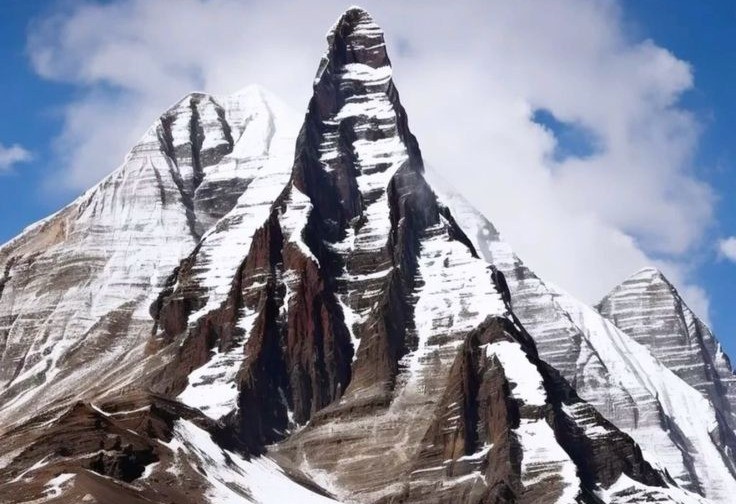
Kailas, or Kangrinboche, ranks among the principal mysterious and revered locations worldwide. It is associated with many mysteries and secrets that draw pilgrims globally. The origin of this shrine remains enigmatic. Ancient legends suggest Kailas originated as a pyramid engineered by an ancient civilization. Scientists consider the peak a natural object, but they still cannot explain the nature of its appearance.
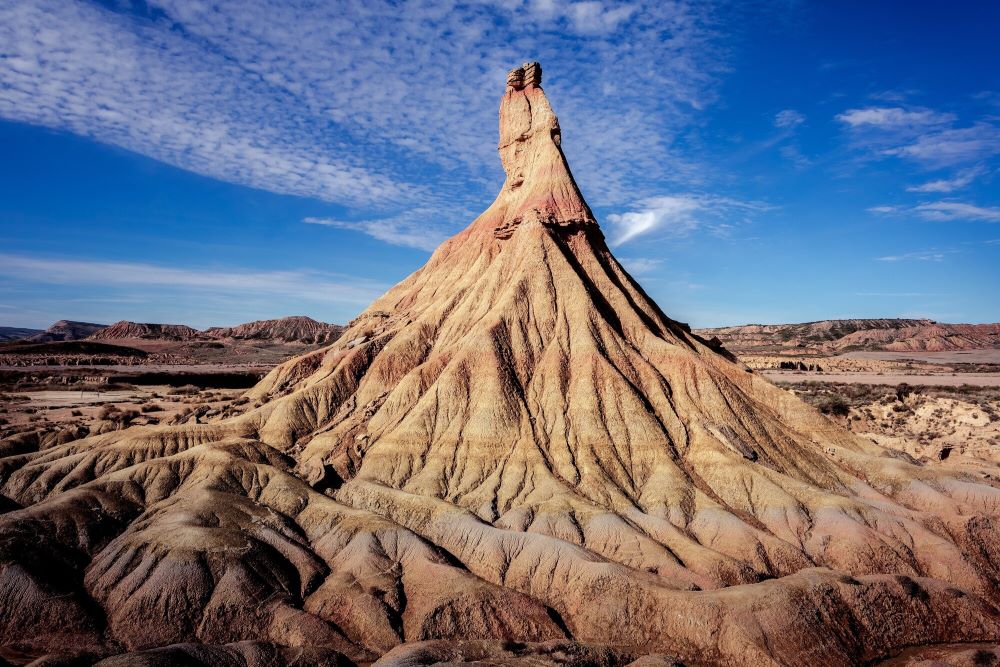
The distinctive architecture is also debated – Kailas resembles a pyramid with sides pointing to the parts of the world. The peak’s positioning is also surprising – it is located in the western part of the Tibetan Plateau, in China, approximately 6666 km from the North Pole. At the same distance from the peak is the legendary place of power Stonehenge. Kailas rises to an altitude of 6666 meters above sea level (although the exact height is still a matter of dispute) and attracts researchers internationally.
Despite its accessibility to modern climbers, no one has yet reached this peak’s summit. There is a strict ban on climbing. It is believed that violation of this sacred tradition can lead to serious consequences for all mankind. Many believe that Kailas must remain untouched to preserve its spiritual power.
The spiritual significance of Mount Kailas
The mountain is sacred to four religions: Hinduism, Buddhism, Bon and Jainism. Hindus believe this peak serves as the abode of the god Shiva and his wife Parvati, Buddhists believe it represents Mount Meru, the axis of the world, and Jains consider the mountain to be the place to achieve enlightenment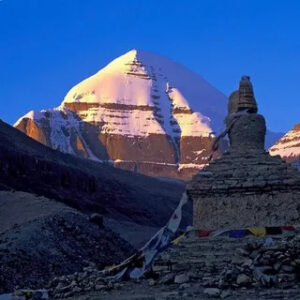 .
.
Kailas is often referred to as Kangrinboche, representing the female aspect of Kailas, his wife. Together they form a powerful energy center. The union of Kailas and Kangrinboche symbolizes the unity of the masculine and feminine, cosmic energy and harmony.
Four great rivers of Asia originate from Kailas: Indus, Brahmaputra, Sutlej, and Karnali. These rivers are considered sacred and provide water to millions of people.
Spiritual tour to Kailas: a journey through sacred places
Every year, thousands of pilgrims come to Tibet to see the legendary Mount Kailas, to put their thoughts in order, and to go through the path of purification and change. Many places in the region are considered sacred.
Places of power of the sacred mountain
Not far from the mountain, there are other sacred places revered by pilgrims from all over the world as much as Kailas:
- Manasarovar Lake – a sacred spring created by the gods at the fervent prayer of King Gurl Mandhat;
- Rakshas Tal Lake – located next to Manasarovar and separated from it by a narrow isthmus. Rakshas Tal is considered to be cursed, there are no fish in it, and the water cannot be drunk. These two lakes are considered a source of living and dead water, and the surrounding area is revered as a place of power;
- Another hallowed lake, Gauri Kund, is said to have been created by Shiva for his wife to regain her strength. No mortal dares to touch the divine waters, otherwise they will face certain death;
- Milarepa’s cave is renowned because near its opening there is a large granite slab that no mortal can move. According to legend, the great yogi Milarepa laid the slab with his spiritual power to demonstrate his enlightenment.
Kora around Kailas
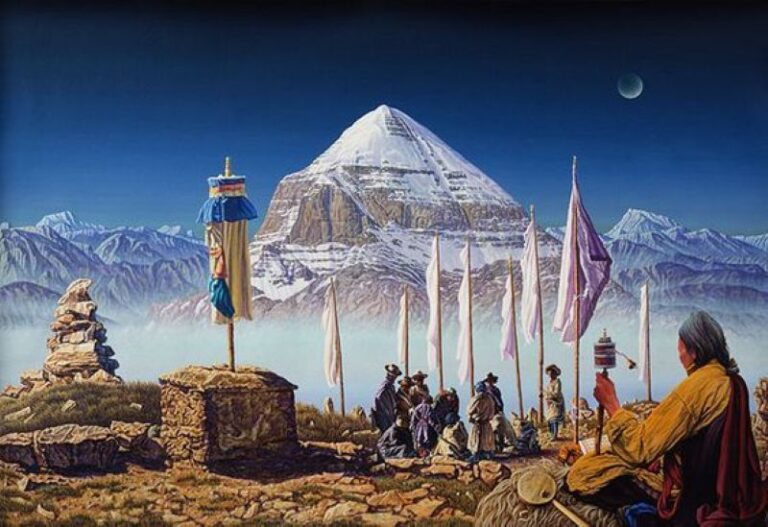
Every year, thousands of pilgrims come to Tibet to perform the Kora around Kailas, a ritualistic counterclockwise walk around the mountain.
The ritual symbolizes the cycle of life and death, along with the cyclical nature of existence. By performing it, pilgrims purify their karma and get closer to enlightenment. This is not just a physical test, but a test of strength of spirit and faith. Pilgrims face many difficulties, yet they persevere on the path, striving for spiritual perfection.
There are several types of bark:
- the outer cortex is the most common type when going around the outer perimeter of Kailas. The length of the route is about 52 kilometers;
- the inner cortex is a shorter route that goes closer to the mountain;
- meditative cortex – takes place slowly, with deep meditations at every step;
- Kneeling kora is the most difficult type, involving movement on the knees.
The kora is performed clockwise, symbolizing the movement of energy. During the ritual, pilgrims recite mantras and prayers, addressing their deities. There are certain restrictions for pilgrims, such as a ban on meat and alcohol consumption.
Spiritual practices on the route
A pilgrimage to Mount Kailas is not just a physical journey, but also a deep spiritual immersion. It involves many specific practices aimed at purifying the body, mind and soul:
- hatha yoga is a practice aimed at preparing the physical body for the difficulties of the pilgrimage, improving flexibility, strength, and endurance. Particular attention is paid to breathing exercises;

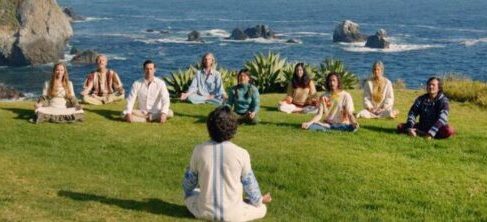
- meditation is the development of concentration, awareness, and inner peace, establishing a connection with higher forces. Various mindfulness practices are incorporated, including Vipassana, Zazen, and Transcendental awareness techniques. These spiritual sessions often take place in holy places, such as the shores of lakes Manasarovar and Rakshasthala, or on the bark routes around Mount Kailas;
- pranayama is a practice aimed at regulating breathing, improving energy balance, and strengthening the nervous system. It includes various breathing exercises, such as anapanasati (concentration on breathing), kapalabhati (fire breathing), and nadi shodhana (cleansing of energy channels).
- hatha yoga is a practice aimed at preparing the physical body for the difficulties of the pilgrimage, improving flexibility, strength, and endurance. Particular attention is paid to breathing exercises;
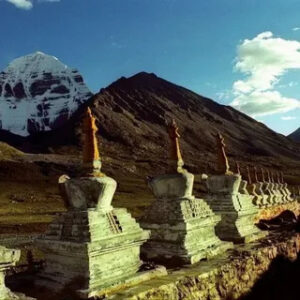
The route also offers other yoga practices designed to master thought control and purification. The content and intensity of spiritual practices can vary depending on the tradition to which the pilgrim belongs, as well as on his or her characteristics and goals of the pilgrimage.
How to join the tour
Our tour offers a unique opportunity to undertake a pilgrimage to Kailas and touch the ancient mysteries of Tibet. You will visit sacred lakes, see ancient monasteries, and learn about local traditions. This journey will be an unforgettable experience that will change your worldview. Everyone can join the tour by contacting us at the phone number listed on the website.
A pilgrimage to Mount Kailas is a unique opportunity to touch the ancient culture of Tibet and plunge into the atmosphere of places sacred to millions of believers.