
Do you remember that moment when simple food suddenly revealed a taste you never knew existed? This happened to us in a small Zen monastery in the mountains of Japan, when a monk placed a wooden bowl of clear kombu seaweed broth in front of us.
We took a sip and… time stopped. In this simple liquid, we tasted the ocean, the wisdom of centuries, and some incredible purity. It was then that we realized that shojin ryori is not just a way of cooking food. It’s a philosophy capable of changing your attitude not only toward food, but toward life itself.
The Secret of a Kitchen Where No One is Killed
Shojin ryori — literally “cuisine for spiritual refinement” — is an ancient tradition of monastic cooking based on the principle of ahimsa, non-harm to living beings. But don’t think this is simply a vegetarian diet as we understand it. This is an entire universe of flavors, discovered by those who learned to hear the voice of every vegetable, every blade of grass.
Imagine a kitchen where every movement is a ritual, every ingredient is a sacred gift of nature, and every dish is an opportunity to touch the divine. This is exactly how we saw the monastic kitchen during our first journey through Japan.
Birth of Tradition: When Monks Became Chefs
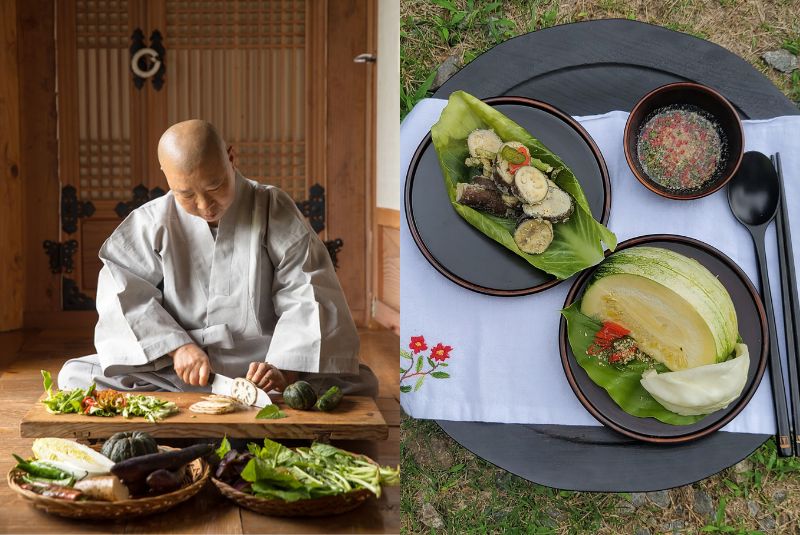
The history of shojin ryori began in the 13th century when Zen Buddhism came to Japan from China. The monks brought with them not only the philosophy of enlightenment, but also the amazing art of transforming the simplest plant products into exquisite dishes.
Eihei Dogen, founder of the Soto Zen school, wrote instructions on food preparation, where every action in the kitchen was considered a path to enlightenment. He taught that a monk-cook should treat rice as carefully as a precious stone, and simple radish like an image of Buddha.
And you know what the genius of this approach is? The monks understood what modern science is only now confirming: our attitude toward food during preparation affects its energetic properties and our well-being after the meal.
Philosophy of the Plate: Five Principles That Change Everything
When we first tried real shojin ryori, we were struck not only by the variety of flavors, but also by the beauty of presentation. Each dish was a work of art, where colors, forms, and textures came together in perfect harmony.
Monks follow ancient principles that transform a simple meal into a meditative practice. The first principle is gratitude to all beings who sacrificed themselves for our nourishment. Yes, even carrots and cabbage deserve our appreciation for giving their lives to sustain ours.
The second principle is using every part of the plant. In shojin ryori, nothing is thrown away: roots, stems, leaves, even peels — everything finds its use. This is not only ecological, but spiritually significant: we learn to see value in what is usually considered waste.
The third principle is seasonality. Monks cook only with products that nature provides at a given time of year. In spring, it’s young bamboo shoots and bitter herbs, in summer — fresh vegetables and greens, in autumn — root vegetables and mushrooms, in winter — pickles and dried products.
Forbidden Flavors and Hidden Wisdom
One of the most surprising discoveries for us was that shojin ryori forbids not only meat and fish, but also the so-called “five pungent vegetables” — onion, garlic, leek, shallot, and wild garlic. At first, we thought: how can you cook without these basics of any cuisine?
But the monks explained the deep meaning of this prohibition to us. It’s believed that pungent vegetables excite passions and interfere with meditation. Moreover, their sharp aroma can distract from the subtle flavors of other ingredients. And you know what? When you remove these “dominant” flavors, your receptors begin to distinguish an incredible number of nuances in the simplest products.
We recall our first experience with lotus root soup. Without familiar spices, we suddenly felt its natural sweetness, light astringency, and amazing tenderness of texture. It was like hearing a quiet melody after loud music — a completely different level of perception.
Alchemy of Taste: How to Transform Simple into Exquisite
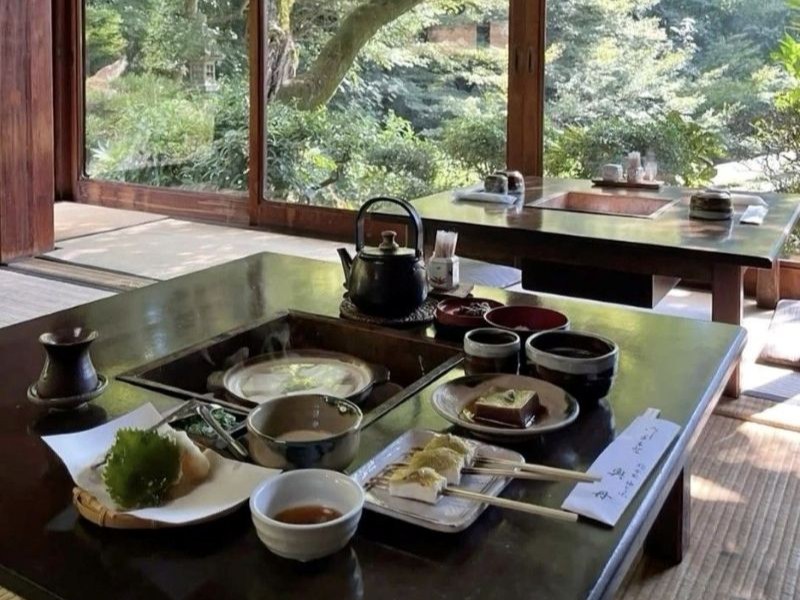
The secret of shojin ryori is not in complex recipes or exotic ingredients. The secret is in attitude. Every action is performed with complete presence and reverence. Monks say you need to cook with your heart, not just your hands.
The foundation of flavor is dashi — broth made from kombu seaweed and dried shiitake mushrooms. This clear decoction contains all the depth of the ocean and forest. Soups and sauces are prepared based on it, and vegetables are stewed in it. And each time this simple broth reveals itself differently, depending on what is added to it.
We learned to make dashi from an old monk at Eihei-ji temple. He showed us how important it is to choose the right seaweed — it should be thick, with a white coating, and emit a fresh sea aroma. It needs to be wiped with a damp cloth, but never washed — otherwise, all the flavor will be washed away. How to slowly heat the water so as not to boil, but only simmer the seaweed, extracting its very essence.
Five Colors, Five Tastes, Five Methods of Preparation
In shojin ryori, there exists a beautiful concept of balance: every meal should include five colors, five tastes, and five methods of preparation. This is not just an aesthetic requirement — it’s a way to provide the body with all the necessary nutrients and energies.
Five colors — white, black, red, yellow, and green — symbolize different elements and energies. White rice or tofu gives calm, black seaweed or mushrooms — depth, red tomatoes or carrots — life force, yellow pumpkin or corn — joy, green vegetables — freshness and renewal.
Five tastes — sweet, sour, salty, bitter, and spicy (in very mild form) — create harmony in the mouth and balance energies in the body. And five methods of preparation — boiling, frying, stewing, marinating, and serving raw — allow the revealing of different qualities of the same products.
Ritual of the Meal: When Food Becomes Prayer
But shojin ryori is not only a preparation, but also a special way of consuming food. In the monastery, every meal begins with gratitude to all beings who made this food possible, to all people who grew and prepared it, to nature itself for its generosity.
They eat slowly, in silence, concentrating on every bite. This is not a quick snack between tasks, but a sacred ritual of nourishing body and soul. Every sip, every chewing movement is performed consciously.
We remember our first meal in the monastery. We were given four bowls of different sizes and shown how to arrange them. In the largest was rice, in the medium — miso soup with tofu and seaweed, and in the small ones — pickled vegetables and stewed root vegetables. No conversations, only the sounds of nature outside the window and the quiet clicking of wooden chopsticks.
Modern Relevance of Ancient Wisdom
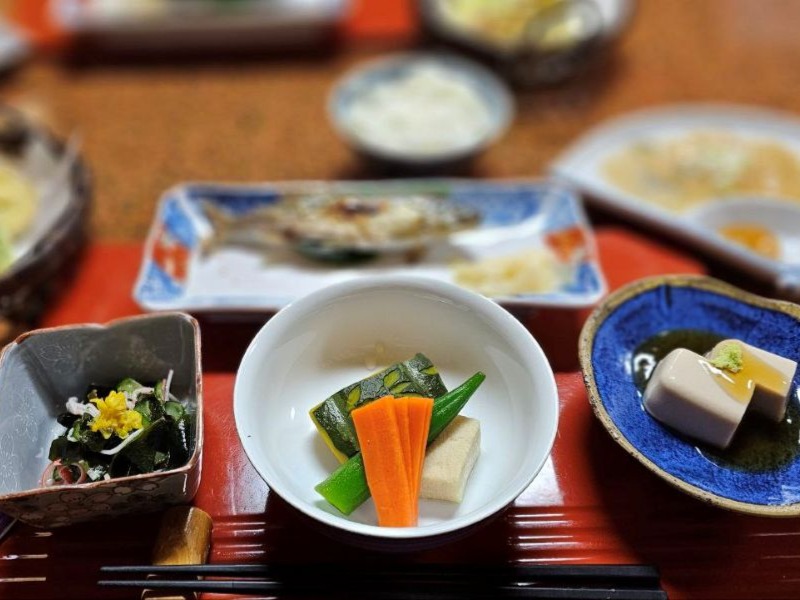
In our world of fast food and ready meals, shojin ryori sounds like a message from another reality. But perhaps that’s exactly why this philosophy of nutrition is becoming increasingly relevant? People are tired of artificial flavors, preservatives, and eating on the run. We intuitively seek something real, pure, and conscious.
The principles of shojin ryori are surprisingly consonant with modern healthy eating trends. Plant-based diet, seasonality, minimal processing of products, conscious consumption — all this was discovered by Japanese monks many centuries ago.
But the main thing is changing the attitude toward food. Instead of fuel for the body, food becomes a way of connecting with nature, with oneself, with the deep rhythms of life. When you cook with reverence and eat with gratitude, even simple carrots become a source of joy and inspiration.
The Art of Seeing Beauty in Simple Things
One of the most valuable discoveries that shojin ryori gives is the ability to find refinement in the most ordinary products. Monks can turn a simple turnip into a work of art by simply cutting it correctly and serving it beautifully.
We remember a dish that was served to us at Ginkaku-ji temple in Kyoto. On a white ceramic plate lay thinly sliced daikon pieces rolled into roses, beside them several chrysanthemum leaves, and a drop of sesame oil sauce. It would seem, what could be simpler? But it was so beautiful, so harmonious, that we didn’t dare disturb the composition.
And the taste! The daikon turned out sweet and juicy, chrysanthemum leaves added light bitterness, and sesame oil bound everything together. This was a symphony of simplicity, a lesson that true luxury is not in the expense of products, but in the ability to reveal their natural beauty.
Healing Power of Conscious Eating
Monks always knew what modern medicine is only beginning to understand: our physical health is inseparably connected with the state of our spirit. Food prepared with love and eaten with gratitude is better absorbed and brings more benefit.
In shojin ryori every ingredient is considered not only as a source of nutrients, but also as a carrier of certain energy. Root vegetables give grounding and stability, leafy vegetables — lightness and cleansing, mushrooms — depth and wisdom, seaweed — connection with the primordial source of life.
We noticed that after meals in shojin ryori style, we have a completely different feeling. No heaviness in the stomach, drowsiness, desire to lie down and do nothing. On the contrary, lightness appears, clarity of mind, and calm energy. This is the result of conscious nutrition.
Path to Harmony Through Simplicity
Shojin ryori teaches us that harmony is achieved not through abundance, but through understanding essence. You don’t need hundreds of ingredients to create a tasty and nutritious dish. A few are enough, but chosen with wisdom and prepared with love.
This philosophy can change not only your attitude toward food, but toward life in general. Instead of chasing ever more things, impressions, and achievements, we learn to find depth in what we already have. Instead of superficial consumption, conscious interaction with the world.
Invitation to a Journey of Taste and Soul
Dear friends, if these lines resonated in your heart, if you felt a desire to touch the ancient wisdom of Japanese monks, we have an amazing opportunity for you.
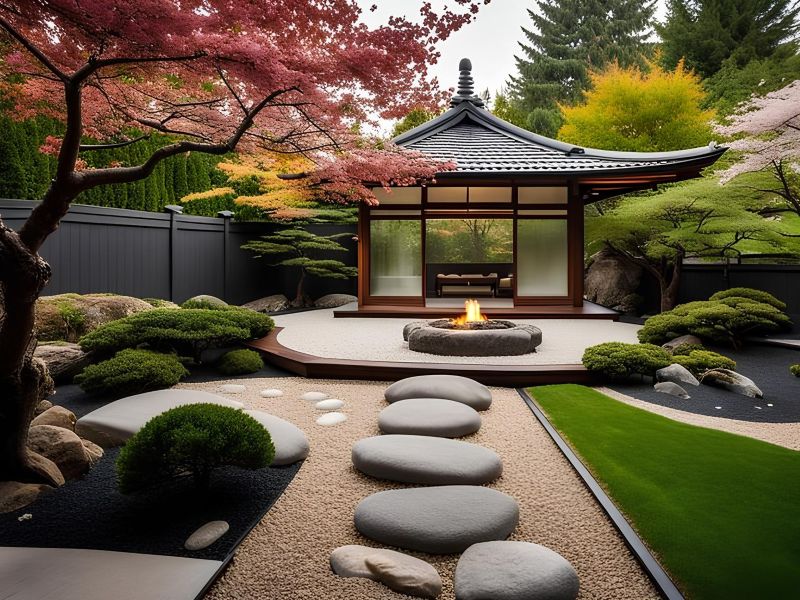
This autumn, we are organizing an unforgettable Zen tour of Japan, where you can try real shojin ryori in ancient monasteries and immerse yourself in the very essence of Japanese spirituality. You will live in real temples, meditate in the legendary stone gardens of Kyoto, participate in traditional tea ceremonies, and visit places of power that have been filled with the energy of prayers and contemplation for centuries.
Every meal will become meditation, every sip of tea — a moment of enlightenment. You will bring home not only unforgettable impressions, but also a new understanding of what it means to live in harmony with yourself and the world.
Places in the group are limited — we want to create an intimate atmosphere of a true spiritual journey. If your soul says “yes,” don’t delay the decision. This autumn could be the beginning of a completely new stage in your life.
The path to inner harmony begins with one decision. Are you ready to take this step toward enlightenment?
With love and anticipation of meeting, Roman and Olya.