Greetings, dear friends and seekers of harmony! Today I want to talk about one of the most mysterious and perhaps most influential forces in our lives –or ancestral karma, or as I like to call it, the heritage of our ancestors. You may have heard this term before, and as a professional astrologer, I can confirm that the influence of these invisible threads on our destiny is much deeper than it seems at first glance.
We all get something from our parents: eye color, temperament, and family traditions. But in addition to the obvious genetic information, there is some energetic, emotional, and even behavioral “baggage” that is passed on from generation to generation. It is this “baggage” that forms the family field, influencing our lives from birth.
What is ancestral karma, and how does it manifest itself?
Imagine that each of our ancestors, like an artist, leaves their mark on a huge canvas – the collective energy space of your family. All their actions, thoughts, and feelings – good and bad, joyful and painful – create a set of consequences that, like invisible currents, influence the lives of their descendants.

Positive
When ancestors lived in harmony, did good deeds, and constantly developed, it created powerful, positive energy. Such a family is like a strong tree whose roots nourish and protect descendants, giving them strength, luck, and support. I call such a family strong.
Negative
If serious mistakes, crimes, or betrayals were committed in the family, or if ancestors lived in constant fear, resentment, or envy, unfortunately, this can create so-called negative scenarios that, like an echo, are repeated in the lives of descendants. What does this look like? These can be recurring problems, such as financial difficulties, relationship problems, loneliness, unexplained illnesses, or even a tendency to addiction. Negative attitudes also appear – invisible programs embedded in our subconscious. For example, beliefs such as “there is never enough money”, “all men betray”, or “happiness is not for me”. They can limit us, preventing us from realizing our potential.
Another manifestation is negative behavioral scenarios – we can unconsciously repeat the destructive behavior patterns of our ancestors, for example, a tendency to sacrifice, displays of aggression, or depression. And, finally, these can be unconscious “debts” of the family: when one of our ancestors “took” more than “gave” or harmed others, descendants can unconsciously “work off” this debt by facing repeated difficulties.
How is this legacy passed on to us?
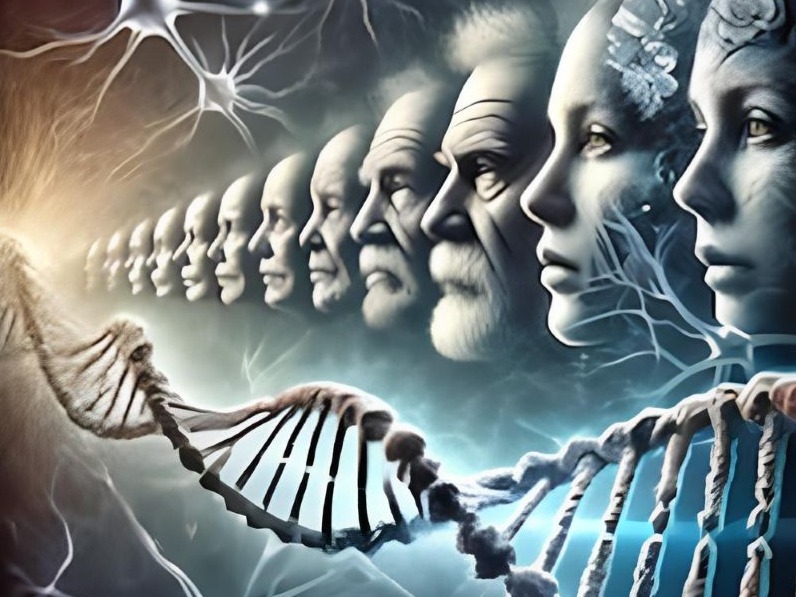
This invisible connection with our ancestors is formed through several channels. Firstly, it involves direct transmission: Vedic teachings state that ancestral karma is passed down from parents to children, then to grandchildren, and so on, influencing our destiny right up to the moment of birth. It is believed that this influence can extend up to the seventh generation.
There are also energy connections: we are not just outwardly similar to our ancestors; we bear their energetic imprints. All their experienced emotions, their experience, is stored in the subtle energetic field of the family, forming a kind of collective consciousness. And, finally, unfinished cycles: imagine that one of your ancestors failed to learn an important life lesson or solve a problem. This “unfinished cycle” can manifest itself in our lives, and our task is to carry this lesson and break the negative scenario so that it is not passed on. In astrology, by the way, is Lunar Nodes (Rahu and Ketu) often point to these karmic tasks and unfinished cycles.
Is it possible to “heal” ancestral karma? My view as an astrologer
Many modern esoteric and psychological approaches claim that it is possible to work with ancestral karma, and I agree. It is a deep and often lengthy process that requires self-analysis, patience, and a willingness to change. It is aimed at breaking negative chains and creating a brighter future for yourself and your descendants.
Working with ancestral karma begins with awareness and acceptance— you need to understand what negative scenarios or attitudes could have been passed on to you from your ancestors. Studying the history of your family can be very helpful in this regard. Then you should be working on yourself: since it is believed that we attract the kind that corresponds to our inner qualities, working on ourselves – improving our character, getting rid of negative emotions, changing our worldview – is key. This allows us to stop “broadcasting” negative scenarios.
Extremely important honor ancestors: thank and respect them, even if their life was difficult, because this helps to restore the positive flow of energy in the family. This can be done through prayers, meditations, or rituals of gratitude. If you feel that there were some “injustices” or “debts” in the family, you can symbolically “work them off” through “repayment of debts”– good deeds, helping others, service.
It is also necessary to break negative scenarios through a conscious decision not to repeat the mistakes of our ancestors, creating new, positive models of behavior and thinking. Spiritual practices: Prayers, meditations, and mantras (in some traditions) can help cleanse the family field and restore harmony.
Ancestral karma in the light of the Vedas: the laws of the Universe
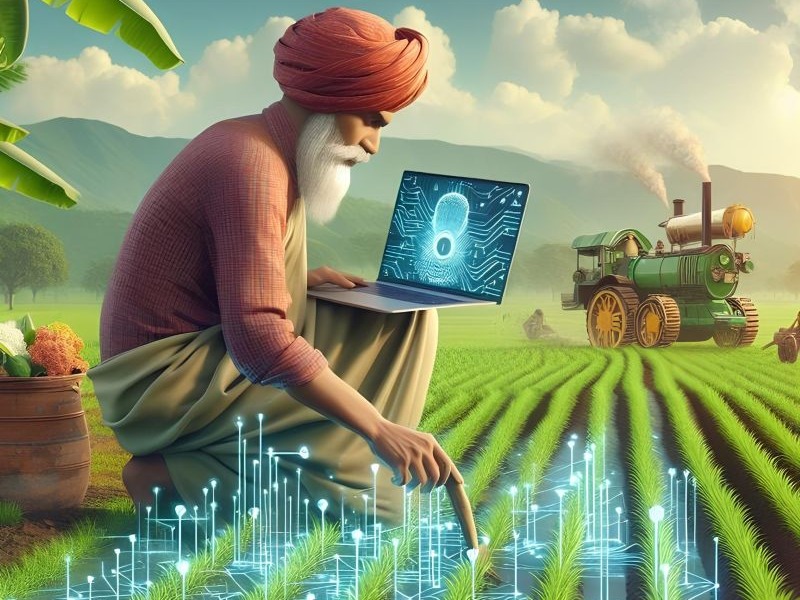 It is important to note that in the Vedic tradition, there is no direct term “ancestral karma” in the modern sense – that is, as “hereditary sin” or “family curse”. However, the concept of karma as the law of cause and effect, as well as the influence of the actions of ancestors on descendants, is deeply rooted in the Vedic scriptures.
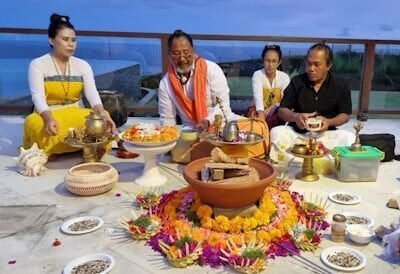
Vedic literature, such as the Vedas, Upanishads, Puranas and Bhagavad Gita, describes various aspects of karma. It is manifested through Pitru-karma (Karma of ancestors) and Shraddhu. Vedic texts describe the rituals in detail, Shraddha – memorial rituals for deceased ancestors (pitri). It is believed that through these rituals, descendants can help their ancestors who may have found themselves in unfavorable situations due to their past actions.
The performance of Shraddha is considered a debt to ancestors (pitru-rina), and this brings blessings to the living descendants – prosperity, health, and good fortune. Failure to perform these rituals can lead to problems, which is not a “punishment” but rather a violation of the natural order and flow of energy in the family.
This concept is also closely related to the Law of Karma (Cause and Effect). The basic principle is that every action, thought, and word produces its own consequences. Although this mainly concerns individual karma, the Vedas recognize that a person’s actions affect his surroundings, including his family and descendants.
Another important idea is Samskaras and Vasanas (Impressions and Tendencies). Vedic philosophy speaks of samskarah (deep impressions imprinted in the subconscious) and vasanah (tendencies arising from these samsaras). These samskaras and vasanas are transmitted through the individual consciousness. If ancestors developed certain samskaras (for example, a tendency to greed), then their descendants may exhibit similar tendencies. This forms the “karmic imprint” of the personality.
Finally, Dharma (Righteousness) and Ashrams (Life stages) also play a role. Execution of dharmas (righteous way of life, duty), including duties to family and ancestors, is considered the path to the accumulation of pious karma. The ashrama (stages of life) system emphasizes the importance of family duties, which also affects the well-being of the family.
Thus, although the direct term “ancestral karma” may not be found in the Vedic texts, the concept of the relationship between the actions of ancestors and the well-being of descendants is very clear. The modern understanding of “ancestral karma” is rather an interpretation of these Vedic principles, integrated with various esoteric and psychological approaches.
Journey to your roots: where to look for answers and healing?
Working with ancestral heritage is a deep and often lengthy process. It requires self-analysis, patience, and, most importantly, a willingness to change. But the result is worth it: you will not only break negative chains, but also create a brighter future for yourself and your descendants.
If you feel it is time to delve deeper into this topic, explore your roots, and perhaps heal your ancestral scripts, I invite you to a truly transformative journey. In our Zen Tour of Japan or pilgrimage tour to Kailash you will be able to touch the ancient knowledge and practices that have helped people for centuries to harmonize their karma and cleanse the family field. These are not just trips, but deep immersion into the atmosphere of places of power, where every step becomes part of your path to awareness and healing.